
News
West Ham United 0–0 Leeds United, 2000: The quiet draw that opened Europe’s door
A scoreless final-day draw carried enormous consequences: Leeds finished third in the Premier League and earned their place among Europe’s elite for the 2000–01 season.

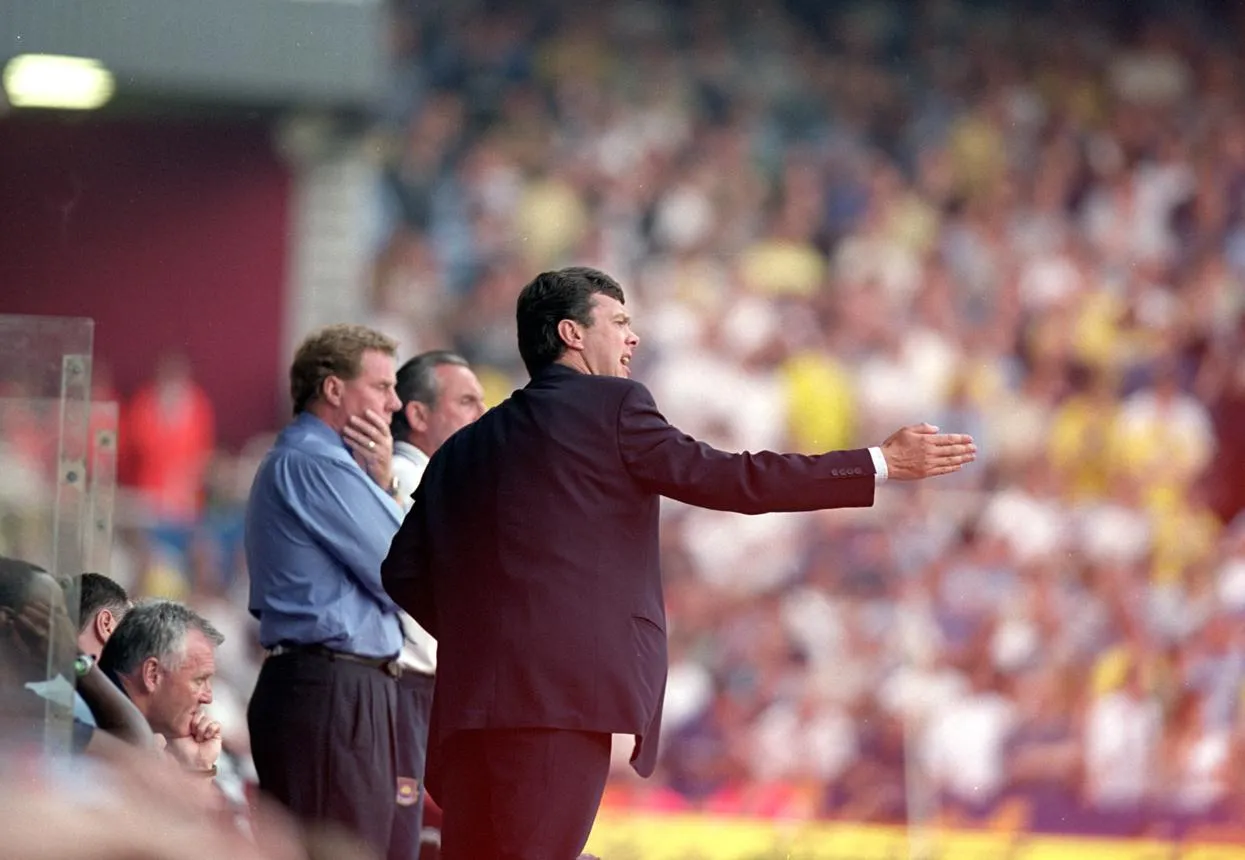
The quiet draw that opened Europe’s door
The scoreboard at Upton Park never changed, but Leeds left London having completed one of the most important seasons in the club’s modern history. Third place brought a return to the European Cup’s successor, and with it the chance to test David O’Leary’s young team against the continent’s elite.
Football’s defining afternoons do not always provide a defining goal. Sometimes the ball spends ninety minutes refusing to cross a line, and the significance of the day is discovered somewhere else: in a league table, a result arriving from another ground, or the realisation that a club is about to walk through a door it has spent years trying to open.
West Ham United 0–0 Leeds United, on 14 May 2000, was that sort of match. There was no late winner to replay in slow motion and no famous celebration to become part of the club’s visual history. Instead, Leeds completed a third-place finish in the Premier League and qualified for the Champions League. For a side still developing under David O’Leary, it was a giant step from exciting possibility to European reality.
The young team becomes a serious contender
Leeds had not appeared in the Champions League era’s leading European competition before. The achievement came after a season in which O’Leary’s team had combined youthful energy with the kind of results that are easy to underestimate until the final table is printed. Leeds finished third, behind Manchester United and Arsenal, with 69 points from 38 matches. Liverpool, who had been in the fight for the same coveted places, finished fourth on 67.
The team had plenty of talent. Harry Kewell was becoming one of the most exciting attacking players in the country. Alan Smith was still a young forward, fierce in the press and fearless in a challenge. Lee Bowyer, David Batty and Eirik Bakke gave the side energy in midfield, while Rio Ferdinand, Lucas Radebe, Jonathan Woodgate and Nigel Martyn formed a formidable core across the back. The group was not yet a finished product, but the ingredients were clear.
The club had finished fourth the previous season and had continued to improve. Qualification for Europe was not an unexpected miracle; it was the next step in a project that had been built on recruitment, development and a conviction that Leeds could compete with clubs who seemed to possess more established status.
A scoreless ending with a different kind of tension
At Upton Park, the match itself was tight and goalless. The absence of a goal can make a football match difficult to sell as a story, especially in an age that expects instant drama. But the point of this game was the position it occupied in the wider season. A final-day draw sealed Leeds’ campaign and gave the club its first Champions League qualification. The possibility of facing Europe’s biggest names was no longer a distant ambition discussed by supporters; it was the next season’s fixture list waiting to happen.
The European opportunity was significant in sporting terms, but it also carried financial consequences. Champions League football meant greater revenue and visibility, a chance to attract and retain leading players, and the feeling that Leeds were moving into a different category of club. It was the kind of prize that could appear to validate everything that had gone before.
That promise is one reason the season should be remembered with both pride and perspective. Leeds had built a squad of high-ceiling players and a manager who trusted young footballers. They were about to produce some of the most memorable European nights Elland Road had seen in decades. In time, the financial commitments made during this rise would become part of a much darker story. None of that was visible in full on the afternoon at Upton Park, when a point and a third-place finish felt like progress earned.
Why this match mattered
West Ham away was not the match that made Leeds famous in Europe. It was the match that made those later nights possible. Without the league finish, there would have been no Champions League campaign against Barcelona, AC Milan and Besiktas, no Dom Matteo moment at the San Siro and no quarter-final against Deportivo La Coruña.
For a club whose history is full of dramatic goals and improbable reversals, a 0–0 draw may appear an unlikely centrepiece. But the season is not remembered only by the most exciting ninety minutes. It is remembered by what the team achieved over thirty-eight games. Leeds finished above Liverpool, returned to the elite of European club football and gave their supporters the sense that a new era had begun.
The goal-less finish was quiet. The consequences were anything but. Leeds were heading back to Europe’s biggest stage, and the young team had earned the right to find out how far it could go.