
News
Leeds United 1–2 Wigan Athletic, 19 April 2019: The Good Friday Collapse That Changed the Promotion Race
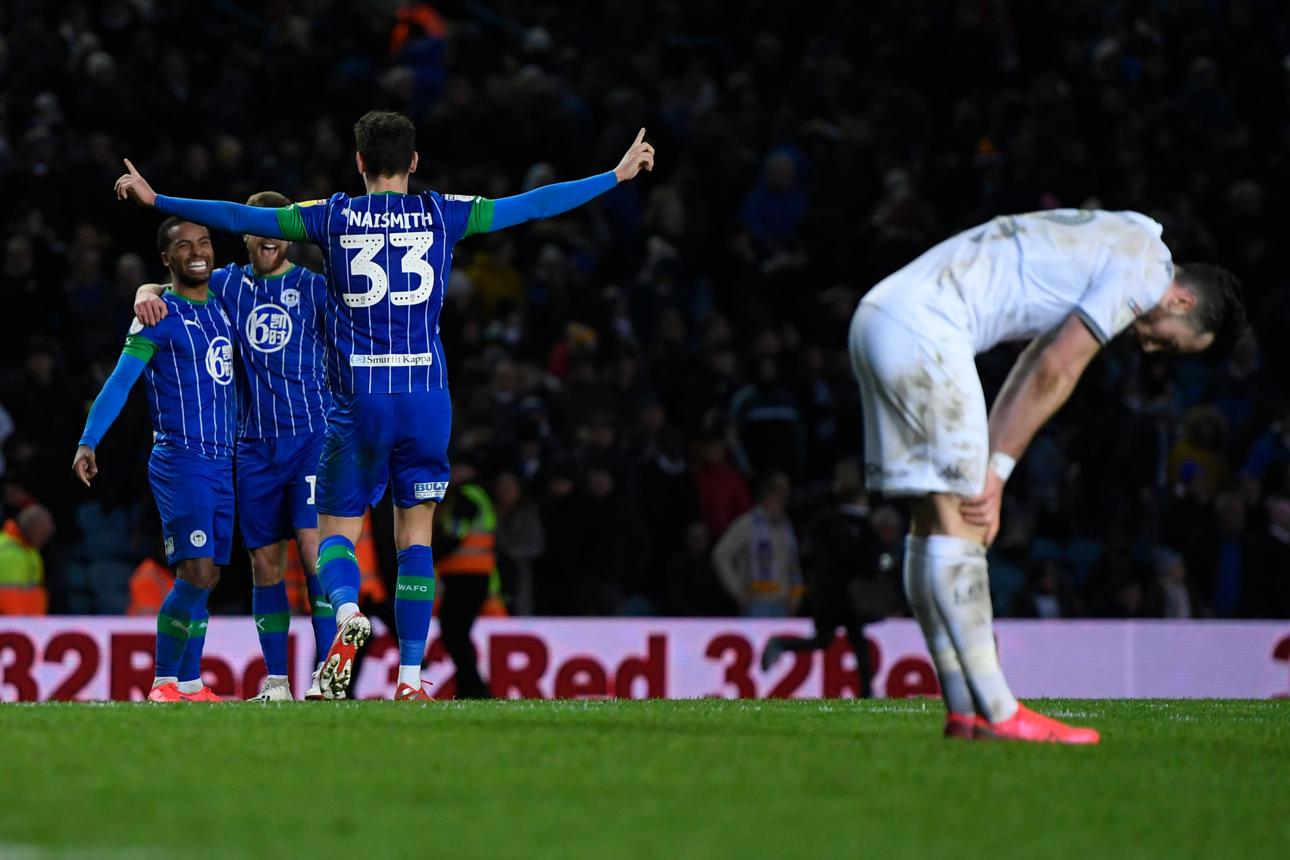
Leeds seemed to have the perfect opportunity to strengthen their automatic-promotion bid against Wigan. An early red card, a missed penalty and a late defensive failure turned the afternoon into one of the defining setbacks of Marcelo Bielsa’s first season.

The Good Friday Collapse That Changed the Promotion Race
A game Leeds were expected to win
By the time Wigan Athletic arrived at Elland Road on Good Friday, 19 April 2019, Leeds United had spent most of Marcelo Bielsa’s first season convincing the Championship that they were capable of going straight back to the Premier League. They had played with an intensity and invention that made them one of the division’s most compelling sides. Automatic promotion was not a fantasy; it was the expectation the football had created.
But the run-in had become tight. Norwich were setting the pace, Sheffield United were pushing hard, and Leeds could not afford to let a promising position dissolve into the lottery of the play-offs. Sheffield United won their match earlier that day, putting pressure on Leeds to respond. Wigan, by contrast, arrived fighting against relegation and with a dreadful away record. On paper, the afternoon offered Leeds the opportunity they needed.
The red card, the penalty and the post
The opening minutes seemed to point towards the most straightforward version of the story. Wigan defender Cédric Kipré was sent off in the 14th minute after handling Patrick Bamford’s goalbound shot on the line. Leeds had a penalty and a numerical advantage, the sort of combination that should turn control into points.
Instead, Pablo Hernández struck the post from the spot. It was a small, sudden failure with an outsized effect. Wigan had survived the moment that should have made their task almost impossible, and they were given a reason to keep believing. Bamford did put Leeds ahead in the 17th minute, meeting Luke Ayling’s delivery and finishing from close range. Elland Road could breathe again, and the match appeared to be moving towards the expected result.
Massey turns the afternoon upside down
Wigan refused to behave like a team that had accepted defeat. Just before half-time, Gavin Massey found space on the counter and finished to make it 1–1. The goal changed the mood in the ground. Leeds had the ball, the extra player and the greater need for victory, yet they had allowed a side short on confidence to believe that something was possible.
Massey struck again in the 62nd minute, heading home after Leon Clarke helped the ball across goal. Wigan were now ahead, still with ten men, and Leeds had to chase the game against a side defending with commitment and an outstanding goalkeeper in Christian Walton. The visitors blocked, tackled and cleared; Leeds poured forward but could not find the equaliser. A match that had seemed to be waiting for the second Leeds goal ended with the away side celebrating one of the most remarkable wins of their season.
Thirty-six shots and no way through
The statistics captured the absurdity. Leeds had 36 attempts at goal, dominated possession and spent long spells around Wigan’s penalty area. They still lost. Walton made a series of important saves, Wigan’s defenders put bodies in the way, and the visitors managed the final stages with the stubborn focus that survival battles often produce.
It would be tempting to say Leeds were simply unlucky, and there was certainly an element of that. Hernández’s penalty could have changed the game, and Leeds created enough chances to win comfortably. But the result exposed something more unsettling: the gap between being the better team and controlling the moments that decide a season. Leeds had not converted dominance into a second goal, then had failed to defend two transitions. The opposition’s red card did not guarantee anything. In the Championship, it never does.
The damage went beyond three points
The defeat dropped Leeds out of the automatic-promotion places on goal difference, with Sheffield United moving ahead. Worse followed. Leeds lost 2–0 away at Brentford three days later, and the direct route to promotion became increasingly remote. The Wigan match did not single-handedly cost Leeds promotion, but it was the moment the campaign’s momentum visibly changed.
The play-offs brought another brutal ending when Derby County overturned Leeds’ first-leg advantage to win 4–3 on aggregate at Elland Road. That defeat became the headline memory of the season, but the foundations of the collapse had been laid in the weeks before it. The Wigan game was the point at which a team that had looked capable of finishing second began to depend on results elsewhere and on a perilous knockout route.
Why this match mattered
The result mattered because of its timing, not simply because Leeds lost at home. There were only four league games remaining. The opponent had been reduced to ten men. Leeds had taken the lead. Every apparent advantage had been turned into a warning that a match is not won until the final whistle, and that a title or promotion race can be shaped by one missed chance and two lapses.
There was no single villain, and no honest account should pretend that one afternoon explains everything that followed. The Championship is long enough for teams to earn and lose their positions over months. But on Good Friday, Leeds were offered a chance to strengthen their hold on automatic promotion and watched it slip away. For supporters, that made the defeat particularly painful: it was not a case of being outclassed. It was a game Leeds believed they should win, and then could not.
Bielsa described the result as a serious wound at the worst moment. It was a vivid image for a season that had offered so much. The wound would heal only when Leeds returned a year later to win the Championship. In the meantime, the memory of Wigan remained a reminder that brilliant football and a promising league position are not the same thing as promotion. The points had to be taken, and Leeds had left them behind.