
News
Sheffield United 2–3 Leeds United, 1992: The bizarre afternoon Leeds became champions of England
An extraordinary 3–2 win at Bramall Lane, decided by Brian Gayle’s own goal, put Leeds within touching distance of the title. Liverpool’s later win over Manchester United confirmed Leeds as champions of the old First Division.

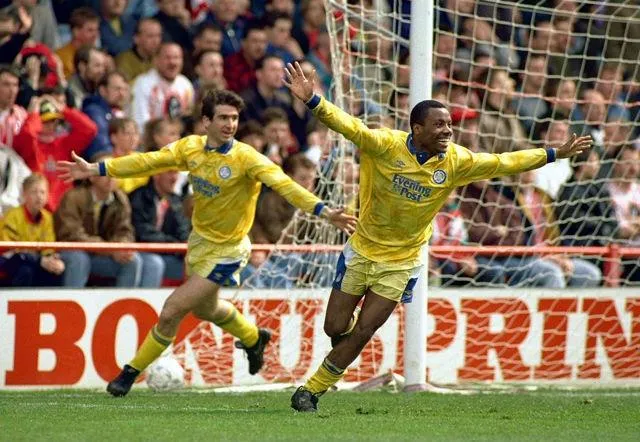
The bizarre afternoon Leeds became champions of England
Leeds won a chaotic match at Bramall Lane, with the score swinging repeatedly before Brian Gayle's own goal settled it. Manchester United then lost at Liverpool, confirming Leeds as champions in the final season of the old First Division.
The final stages of a title race rarely unfold as neatly as the history books make them look. Leeds United's championship-clinching afternoon at Bramall Lane on 26 April 1992 was not a composed exhibition of champions controlling every variable. It was frantic, scrappy, strange and unforgettable. Leeds won 3–2, and then, as Manchester United lost at Liverpool later that day, the title was theirs.
Leeds had returned to the First Division only two years earlier. Howard Wilkinson's side had finished fourth in their first season back, and the 1991–92 campaign had developed into a tense race with Manchester United. United had the aura of a club on the verge of ending its own long wait for the championship. Leeds had the advantage of a team built around Gordon Strachan, David Batty, Gary Speed, Gary McAllister, Lee Chapman and a defence that knew the value of a result.
The match at Bramall Lane seemed determined to refuse Leeds a calm afternoon. Alan Cork put Sheffield United ahead, leaving Leeds needing to chase the game. Rod Wallace equalised just before half-time, and Jon Newsome put Leeds in front after the break. Then came the next twist: Lee Chapman scored an own goal to make it 2–2, bringing the home side level and leaving the title race hanging in the balance once more.
The decisive moment was as improbable as much of the match. Brian Gayle, a Sheffield United defender, put the ball into his own net to give Leeds a 3–2 lead. There was no elegant final pass or perfectly struck finish to frame for the history books. It was an own goal in a game already full of disorder, and it would become one of the most consequential mistakes in Leeds United's history.
Leeds still had to see out the remaining minutes. The win gave them the result required to keep the championship within reach, but it was not the whole story. Manchester United played Liverpool in the later kick-off at Anfield, knowing that a win was necessary to keep the race alive. Liverpool won 2–0, and Leeds were confirmed champions of England for the third time, the first time since 1974.
The sequence matters. Leeds did not simply win at Bramall Lane and immediately lift the trophy on the pitch. Their supporters had to wait for the result elsewhere, and that wait became part of the memory. The same afternoon combined Leeds' chaotic victory with the sight of their rivals failing to respond. The championship was decided by the work Leeds had done over 42 matches, but its confirmation arrived through a combination of events across two grounds.
For Wilkinson, the title was the culmination of a rebuilding project that began after the club's years in the Second Division. For Strachan and his teammates, it was a reward for a side that had learned how to compete with the biggest clubs only a short time after leaving the second tier. Chapman, Wallace and Newsome played their parts in the goal sequence; the own goals, as strange as they were, became the details everyone remembered.
The match also has a particular place in Leeds' rivalry with Manchester United. The two clubs had chased the title for much of the season, and the championship gave Leeds the upper hand just before the Premier League reshaped English football. United's wait continued, while Leeds became the last champions of the old First Division. The moment was sharpened by the identity of the rival and by the knowledge that the next season would belong to a new competition.
There is a temptation to treat the 1992 title as an immaculate achievement, as if champions always win in a way that looks inevitable in retrospect. Bramall Lane refuses that tidy version. Leeds were vulnerable, the game was unpredictable, and the winning goal came from the opposition's own defender. Champions are not always the team that makes the fewest mistakes in the final match. They are the team that has collected enough points across the season to make the final mistake survivable.
When the final whistle went at Bramall Lane, Leeds had completed their part. When the news arrived from Anfield, the waiting ended. Wilkinson's rebuilt side were champions of England, and a club that had spent years trying to recover its place had reached the top again. It was the club's third league title, and the last one before the Premier League era began.
The afternoon remains one of the purest Leeds stories because it contains so much of the club's character in one match: grit, chaos, an improbable twist, a rival's failure and a reward earned over years. It was not elegant. It did not need to be. Leeds were champions, and the memory of Brian Gayle's own goal became one of the most enduring images of the day the club reached the summit again.