
News
Leeds United 6–1 Arsenal, 1973: The night Leeds reminded England who they were
Four days after the Wembley heartbreak against Sunderland, Leeds responded by beating Arsenal 6–1 at Elland Road. Peter Lorimer's hat-trick headlined a remarkable performance.

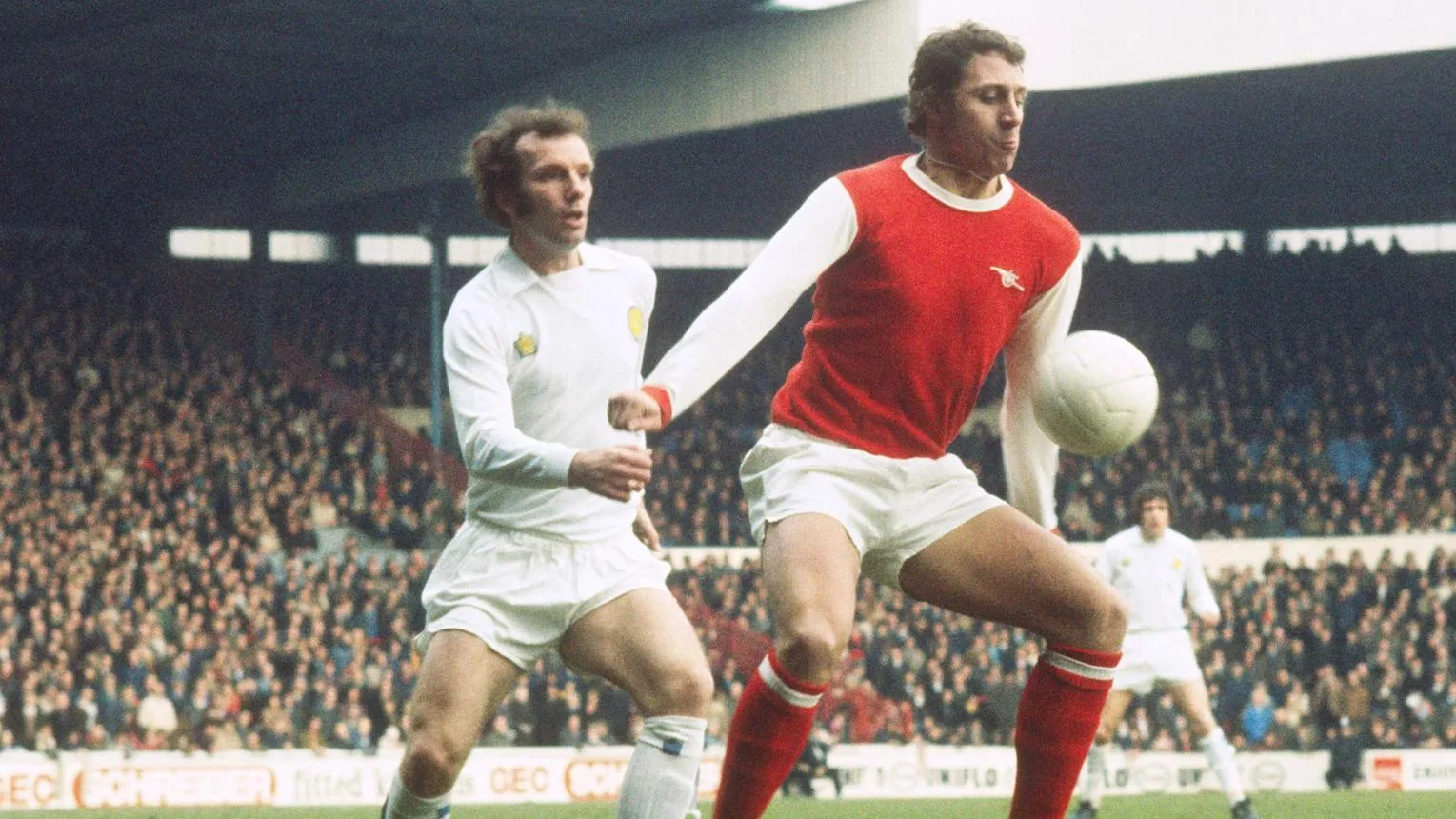
The night Leeds reminded England who they were
Four days after losing the FA Cup final to Sunderland, Leeds United returned to Elland Road and beat Arsenal 6–1. Peter Lorimer scored a hat-trick, and Don Revie's side delivered a remarkable response in the middle of one of the most emotionally punishing months of its history.
The first week of May 1973 was supposed to end with Leeds United lifting the FA Cup. Instead, it left the club with one of the most painful defeats of the Revie era. Sunderland, a Second Division side, had won 1–0 at Wembley, with Ian Porterfield scoring and goalkeeper Jimmy Montgomery producing a double save that became part of FA Cup folklore. Leeds had spent the afternoon pushing for an equaliser and returned to Yorkshire empty-handed.
Four days later, Arsenal arrived at Elland Road. The fixture could have felt like an interruption to a club still processing the cup final. Instead, it became one of the most extraordinary league performances of Revie's Leeds: a 6–1 win that was ruthless, expressive and full of the attacking quality that had made the team one of England's great sides.
Peter Lorimer scored a hat-trick, including a penalty, while Joe Jordan scored twice and Billy Bremner added another. It was a demonstration of the range of Leeds' attacking talent. Lorimer's shooting had long been one of the most feared weapons in the First Division, Jordan was developing into a major forward, and Bremner's goal was a reminder that the team's captain could contribute more than leadership and midfield industry.
The scoreline was emphatic enough to demand attention even without the emotional context. Arsenal were a major English club, and Leeds had scored six against them. Yet the timing gives the result its special place in the club's history. The victory arrived just four days after the Sunderland defeat, a moment when the easy narrative would have been that Leeds' great side had lost its edge at the most important times.
The performance suggested something different. Revie's players were hurt, but they had not lost their ability or their belief in the football they played. They responded by taking their frustration onto the pitch and turning it into goals. There was no trophy at the final whistle, no late rescue of the Wembley result and no way to erase the feeling of having let the FA Cup slip away. There was only the opportunity to play well again, and Leeds took it emphatically.
That ability to recover matters in understanding the culture Revie created. His team had become famous for its intensity, preparation and competitive spirit. The danger of that identity was that defeat could be taken as personal and collective failure, with every setback adding to the burden carried by the players. The best response was not to pretend the disappointment had vanished. It was to return to the work and show the level of the team again.
The 6–1 win did not rescue Leeds' season from all its frustration. The campaign still ended with two major final defeats: Sunderland in the FA Cup and AC Milan in the European Cup Winners' Cup. Leeds finished third in the league, and the weeks that followed would become part of the club's long memory of what might have been. But the Arsenal match gave supporters one unforgettable afternoon of the football that made them proud to follow the side.
It is worth remembering the game on its own terms, rather than treating it only as a consolation prize. Hat-tricks are rare; scoring six against a major rival is rarer still. Lorimer's performance was another addition to a remarkable scoring record, and the victory remains one of Leeds' most emphatic results against Arsenal.
Football has a habit of making the emotional story larger than the score. On 5 May, Leeds had been stunned at Wembley. On 9 May, they were back at Elland Road, scoring six and reminding everyone of the level they could reach. Both matches belong to the same history. One is remembered for a defeat Leeds could not accept; the other for a performance that showed the team was still capable of overwhelming almost anyone.