
News
Leeds United 1–0 Arsenal, 1972: Allan Clarke and the FA Cup Leeds finally won
Leeds had lost the FA Cup final twice before, but Allan Clarke's header against Arsenal in 1972 finally delivered the trophy to Don Revie's side.

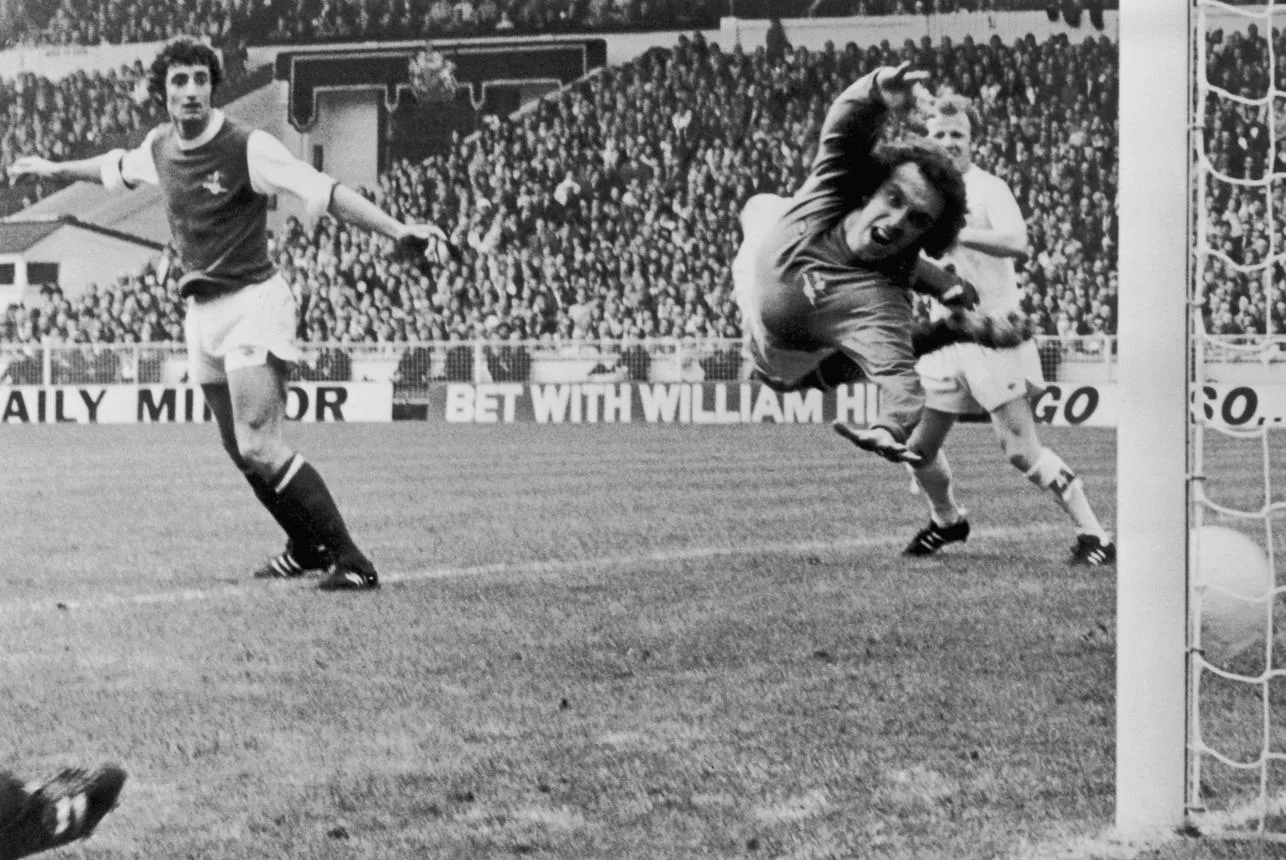
Allan Clarke and the FA Cup Leeds finally won
Allan Clarke's header at Wembley gave Leeds United their first and, to date, only FA Cup. After years of near-misses, Don Revie's side finally won the competition that had so often left them with heartbreak.
Some football trophies arrive as the natural conclusion to a team's dominance. Others feel like a weight being lifted. Leeds United's first FA Cup win belonged to the second category. On 6 May 1972, Leeds beat Arsenal 1–0 at Wembley in the centenary final, completing an honour that had eluded Don Revie's side through repeated visits to the closing stages of the competition.
Leeds had lost the 1965 final to Liverpool and the 1970 final to Chelsea after a replay. They had played brilliantly enough in both campaigns to believe the cup was within reach, but belief does not put silverware in the cabinet. In 1972, the opponent was Arsenal, the defending cup holders and the team that had completed the league and cup double the previous season.
The match was not a classic in the modern sense. It was tight, physically demanding and often short of flowing football. Both sides knew the stakes. Arsenal wanted to defend the cup and maintain their place among the dominant teams of the era; Leeds wanted to finally finish the job.
The goal arrived in the 53rd minute. Mick Jones drove a hard, shoulder-high cross into the area, and Allan Clarke met it with a powerful header from around 15 yards. Arsenal goalkeeper Geoff Barnett could not keep it out. Clarke, known to Leeds supporters as Sniffer, had delivered the moment the club had been waiting for.
Leeds had chances to extend the lead. Both Clarke and Peter Lorimer struck the woodwork, while Arsenal threatened through Charlie George, whose fierce effort hit the bar. Yet Leeds' defence handled the late pressure. Jack Charlton and Norman Hunter were formidable at the heart of the side, Billy Bremner drove the team forward and Gary Sprake gave the team a dependable presence behind them.
The final whistle brought a release that had been building for years. Leeds had now won the League Cup, two Fairs Cups and the First Division championship, but the FA Cup was different. It was one of the country's oldest and most romantic competitions, and Wembley had repeatedly been the place where Leeds' hopes came undone. This time, the team climbed the steps to collect the trophy.
Even the celebration was not entirely uncomplicated. Mick Jones dislocated his elbow late in the match and had to be helped to receive his winners' medal. That detail belongs in the story because it captures the physical cost of the occasion and the uncompromising football of the era. Leeds' cup win was not a polished ceremonial performance. It was a contest in which players put themselves through pain to bring the trophy home.
For Clarke, the goal was one of the defining moments of his Leeds career. For Jones, the assist was decisive. For Revie, it was another validation of the culture he had built. A manager who had inherited a club in trouble was now collecting major honours and taking Leeds to the summit of the domestic game.
The 1972 FA Cup remains a singular achievement in Leeds history. The club has won league championships and other cups, but has not lifted the FA Cup again. That gives Clarke's header a permanent place in the club's story. Generations of supporters have grown up knowing the match through photographs, footage and family recollections. The goal has become one of those moments that a club carries forward because it cannot be repeated exactly.
Leeds did not just beat Arsenal. They overcame the lingering memory of the 1965 and 1970 defeats, won the centenary final and completed the set of domestic honours that had come to define Revie's side. Wembley had finally given something back.