
News
Why Lucas Radebe Became Captain
Lucas Radebe arrived at Leeds United in 1994 from Kaizer Chiefs. Eleven years later he left as one of the most admired players of the modern club, a member of the greatest Leeds XIs and, above all, The Chief. The captaincy wasn't simply a reward for his…
Overview
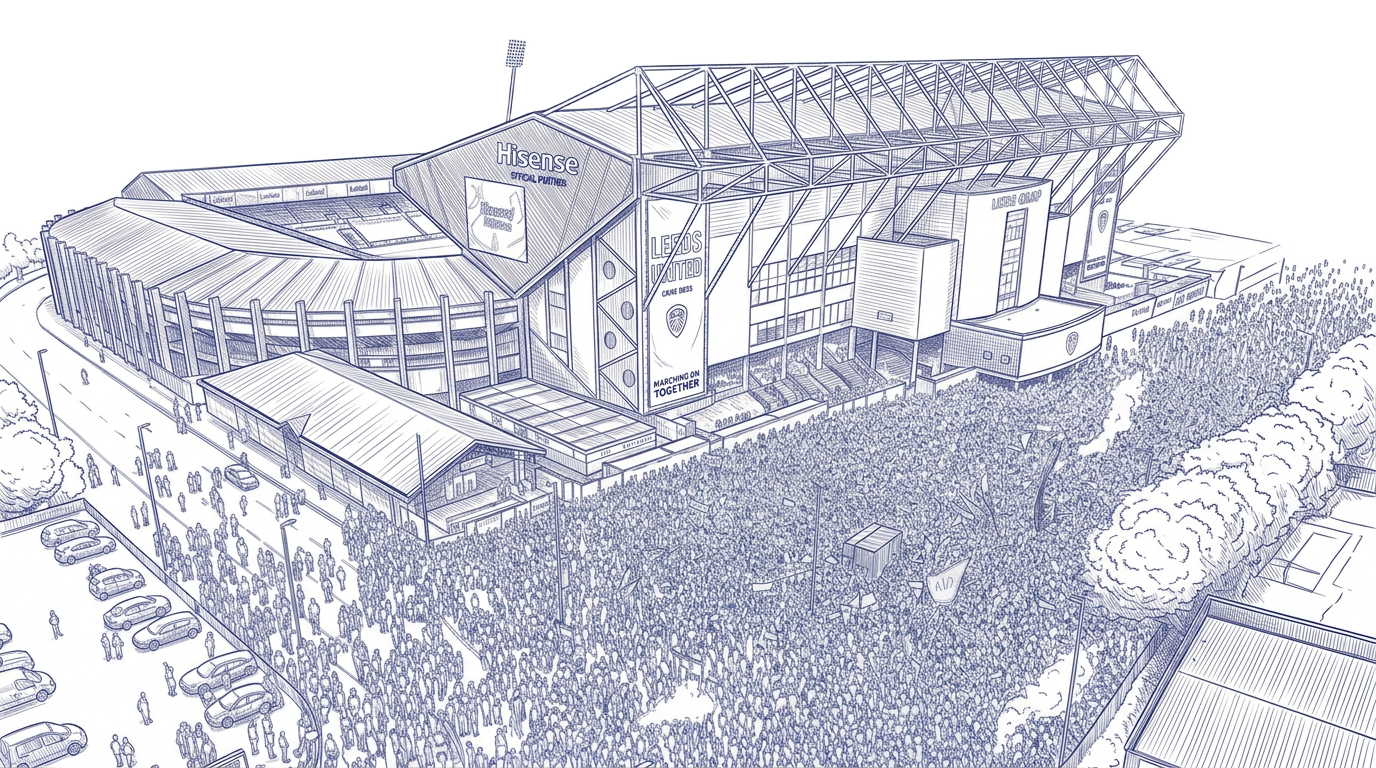
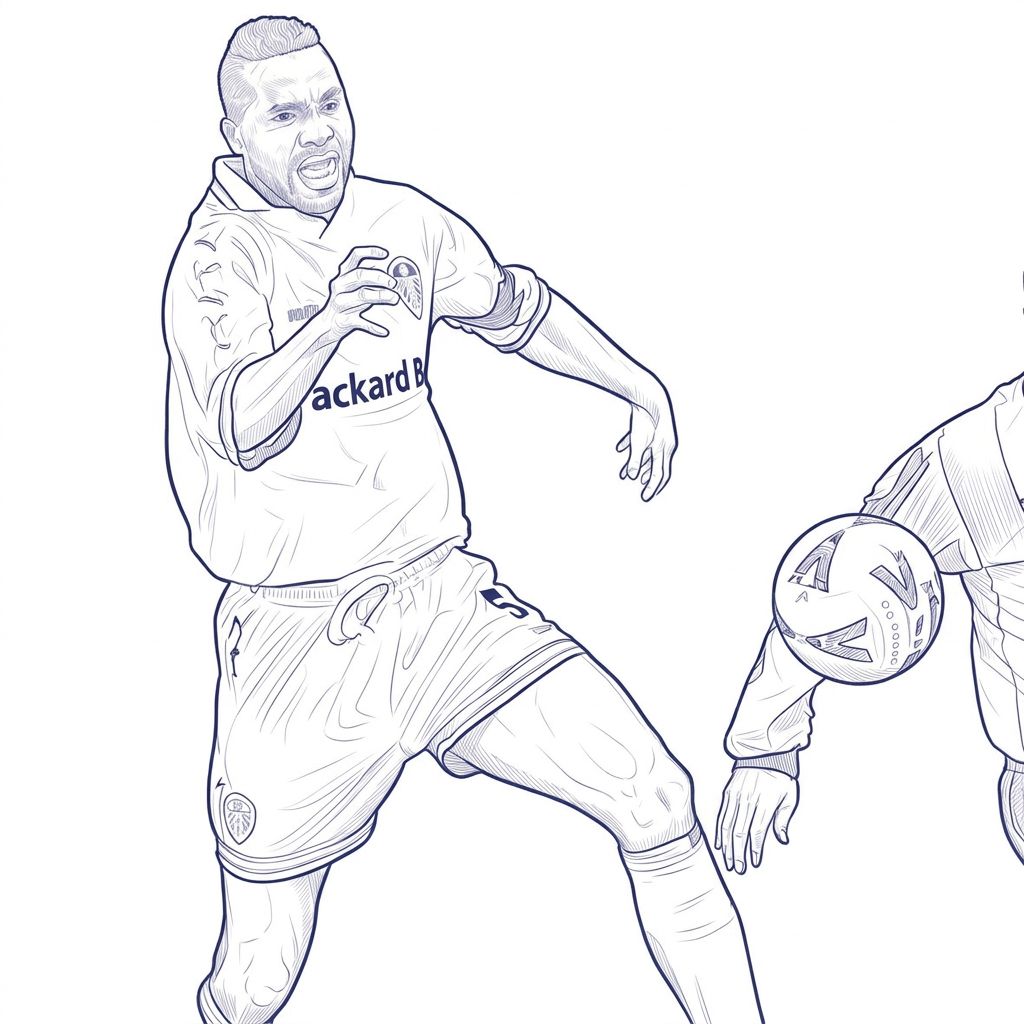
Lucas Radebe arrived at Leeds United in 1994 from Kaizer Chiefs. Eleven years later he left as one of the most admired players of the modern club, a member of the greatest Leeds XIs and, above all, The Chief.
The captaincy wasn't simply a reward for his performances. It reflected what Radebe had come to represent.
From Johannesburg to Yorkshire
Radebe arrived in England at a time when his country was emerging from apartheid and South Africa was about to make its return to the international football stage.
At Leeds, his early years were spent adapting to English football while establishing himself as a calm, athletic and increasingly commanding defender.
He would make more than 200 appearances during an 11-year stay at Elland Road.
A different kind of leader
When Radebe became Leeds captain in 1998, the significance went beyond the usual footballing hierarchy.
He was a South African leading a major English football club, and the role suited his personality. Radebe became known for his calmness, dignity and willingness to stand up for what he believed in away from the pitch as well as on it.
Leeds United record that he was voted Player of the Year in 1998 before becoming club captain.
The team grew around him
Radebe's captaincy coincided with the emergence of the young Leeds side that would finish third in 1999-2000 and reach the Champions League semi-final the following season.
He wasn't expected to dominate every match. His value was often in organising what was around him.
Radebe himself later singled out Jonathan Woodgate as his favourite defensive partner, explaining that Woodgate's pace and youth complemented his own experience and organisation.
The Chief
The nickname mattered because supporters believed in him.
Radebe played through injuries, represented South Africa at the highest level and remained closely associated with Leeds long after his playing career ended.
His influence also extended beyond football. Leeds have highlighted his community work, anti-racism campaigns and long-standing relationship with the city.
Why Lucas Radebe mattered
Captains are often judged by trophies.
Radebe's Leeds career didn't contain a league title, but his captaincy became important because of the trust placed in him.
He became a symbol of a particular Leeds generation: ambitious, diverse, young and determined to compete at the highest level.
Some captains inherit a role.
Radebe became one.