
News
Leeds United 4–0 Sheffield United, 1990: Sergeant Wilko's men close in on the promised land
As the 1989–90 promotion race tightened, Leeds produced a commanding 4–0 win over Sheffield United. It was not the clincher, but it helped restore authority and belief before the decisive final matches.

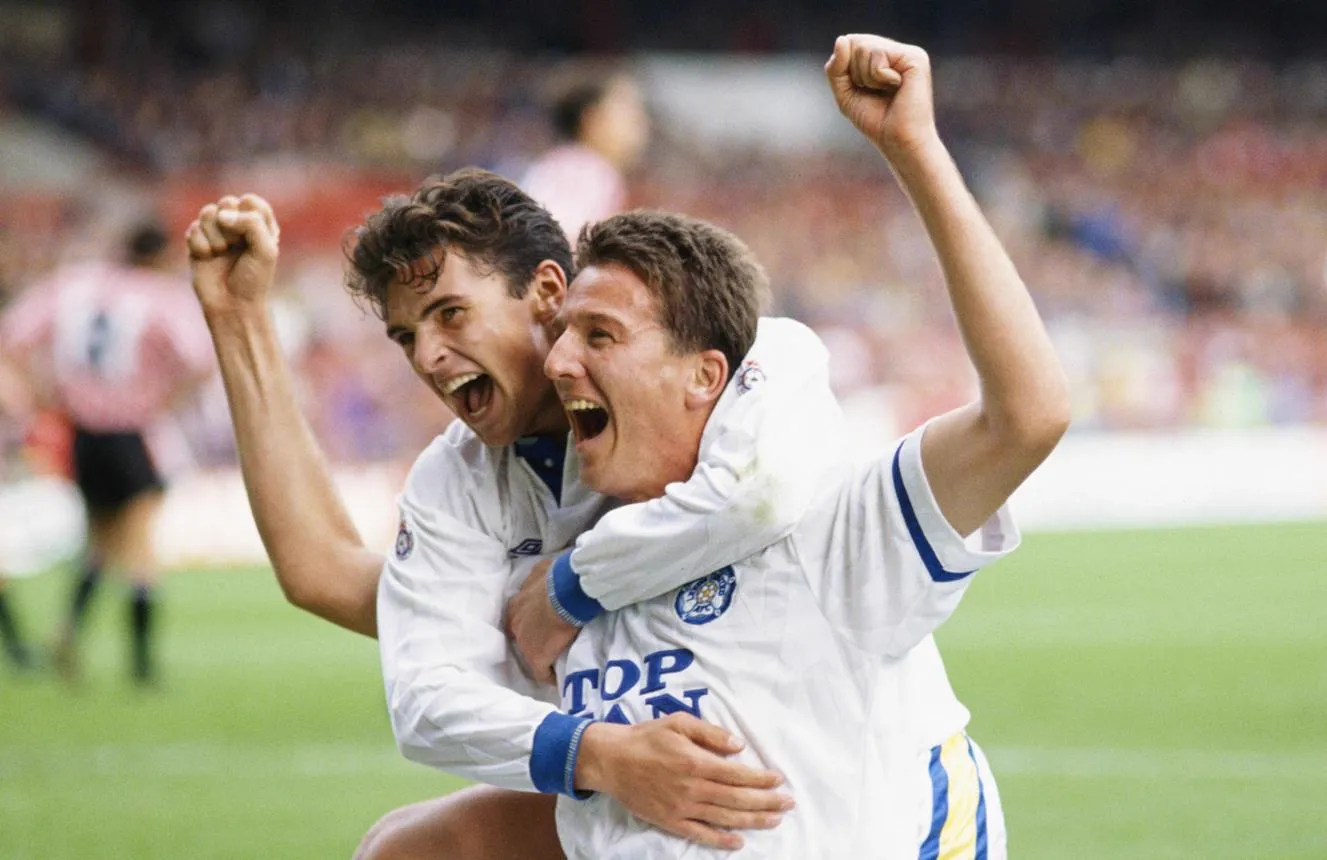
Sergeant Wilko's men close in on the promised land
Eight years after relegation, Leeds were close enough to promotion for every result to feel enormous. A commanding 4–0 win over Sheffield United showed that Howard Wilkinson's side still had the authority to finish the job, even after a nervous spell in the run-in.
Promotion campaigns are rarely remembered as a smooth march from August to May. They are remembered through the moments when a season appears to be coming apart, the games that restore belief, and the afternoon when the destination finally becomes real. Leeds United's 4–0 victory over Sheffield United on 16 April 1990 belongs to the middle category: a decisive-looking result at a point when nothing could be taken for granted.
Leeds had been outside the top flight since 1982. The fall from the heights of Don Revie's era had been long and dispiriting, and the club's return depended on more than the arrival of a respected manager. Howard Wilkinson had come in during 1988 to rebuild the team, restore discipline and put Leeds back on a path to the First Division. The 1989–90 campaign was the test of whether that work could become something tangible.
Wilkinson had assembled a side with a strong spine. Gordon Strachan, recruited from Manchester United, had become captain and the standard-setter. Lee Chapman gave Leeds a reliable centre-forward, while young players such as Gary Speed and David Batty were learning to carry the demands of a promotion race. There was steel in the side, but it was not just a collection of battlers. It had structure and a clear sense of what a match required.
The run-in, however, was not without anxiety. Leeds had dropped points and suffered defeats after putting themselves in a strong position. The pressure was easy to understand: the club had been trying to get out of the Second Division for years, and another failure would have made the next season feel heavier before it had even begun. Every home match carried the weight of the bigger project.
Against Sheffield United, Leeds delivered the sort of performance that promotion contenders need when nerves threaten to take over. They won 4–0, with Strachan scoring twice and Lee Chapman and Gary Speed also on target. Rather than allowing the occasion to become a struggle, Leeds turned it into a statement. The scoreline mattered; the manner of the win mattered too.
A four-goal victory also offered something more valuable than the points themselves: a reminder of the level Leeds could reach when their approach held together. Strachan's influence was central to that. He led through his performance rather than relying on speeches, and his goals underlined how much he had become the side's decisive figure. Chapman supplied the presence and finishing that made Leeds' attacking play stick, while Speed's contribution hinted at the player he would become.
The result did not clinch promotion, and the season would continue to test Leeds. There were still awkward fixtures and the need to keep their nerve. But the win made the destination feel closer, and it was part of a late-season sequence that put the club in position to decide its future for itself. Leeds followed it with a draw at Brighton and then a home defeat to Barnsley, before Strachan's late winner against Leicester City set up the decisive trip to Bournemouth.
That is why this match deserves its own story. It was not the day the champagne came out; it was the day Leeds showed they could still play with authority when the pressure was at its most uncomfortable. It belongs alongside the Leicester and Bournemouth games as part of the same promotion narrative, and it shows the difference between a team that hopes to get over the line and one that has learned how to respond when the line starts to move away.
In the end, Wilkinson's Leeds did get over the line. The Sheffield United match was one of the results that made it possible, a reminder that promotions are assembled from a run of performances rather than one final afternoon. Eight years after dropping out of the First Division, Leeds were again beginning to look like a club that could belong there.