
News
Leeds United 1–4 Tottenham Hotspur, 28 May 2023: The Final Collapse
Leeds’ 4–1 defeat to Tottenham confirmed relegation after three turbulent seasons back in the Premier League. This was the final chapter of a campaign shaped by managerial upheaval, defensive errors and a club unable to turn last year’s escape into lasting improvement.

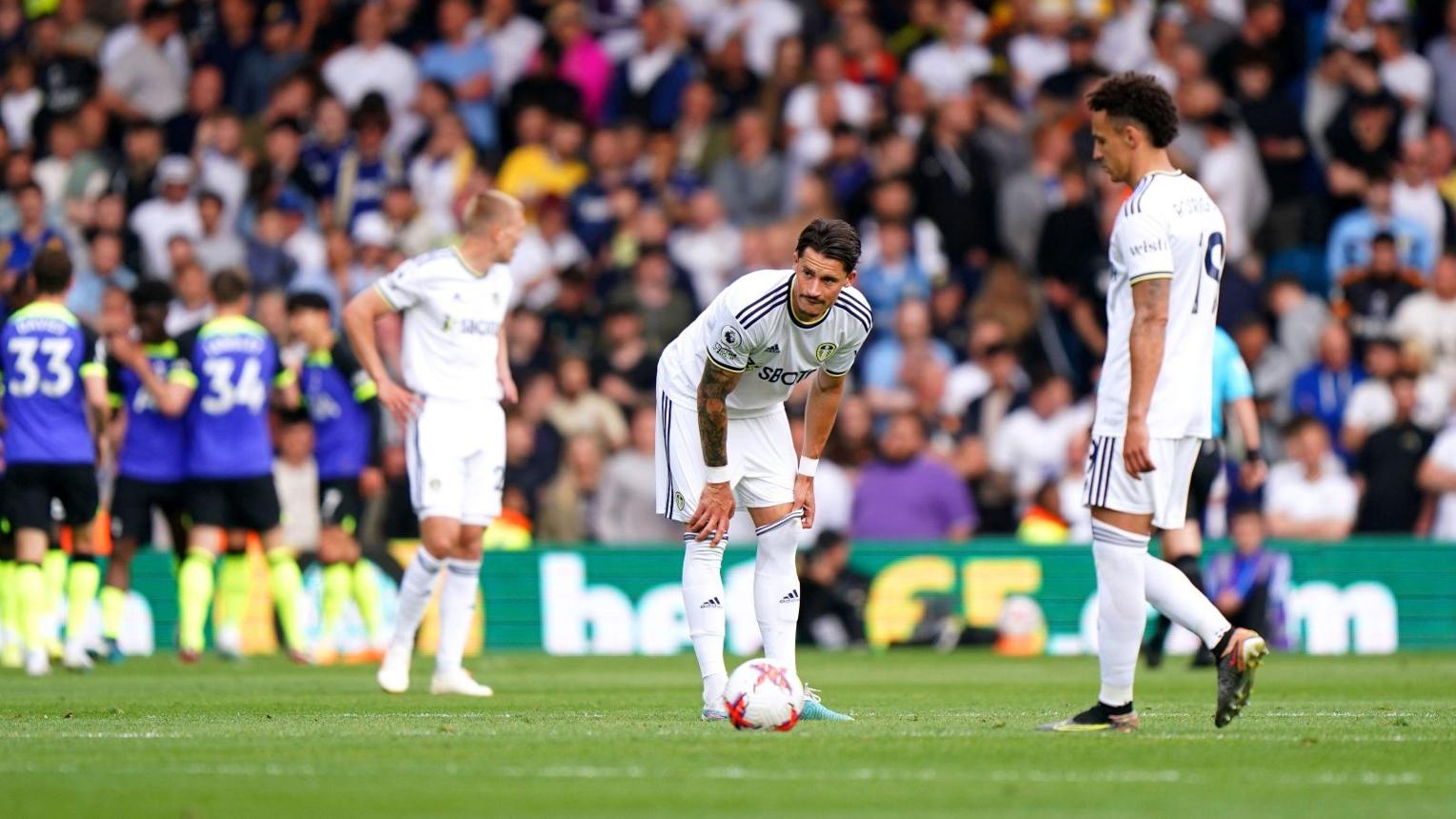
The Final Collapse
A final day with too much already at stake
On Sunday 28 May 2023, Elland Road arrived at the end of a Premier League season that had become increasingly difficult to recognise as the continuation of Marcelo Bielsa’s Leeds. The club that had returned to the top flight with such force in 2020 had been reduced to a frantic search for survival, with Sam Allardyce brought in for an emergency finish after Jesse Marsch, caretaker Michael Skubala and Javi Gracia had all occupied the dugout.
Leeds began the day in the relegation places and needed to beat Tottenham while hoping for favourable results elsewhere. The arithmetic was uncomfortable, the margins were narrow, and the mood around the club was brittle. It was possible to imagine an escape, but it required Leeds to do the one thing they had struggled to do consistently for months: produce a controlled, reliable performance under pressure.
There is a useful distinction between the drama of a relegation decider and the work that makes a club safe before the final day. Leeds had found themselves here because the season had been allowed to reach this point. The last match could confirm the outcome, but it could not carry the full responsibility for it.
Two minutes, and the ground knows
The worst possible start arrived almost immediately. Harry Kane scored inside two minutes after Pedro Porro exploited space and brought Son Heung-min into the move. Kane’s finish was excellent, but the goal also looked like a summary of Leeds’ season: an opponent finding room too easily, a defensive line unable to settle, and a whole afternoon’s plan being damaged before it had properly begun.
Leeds did have chances. Robin Koch headed narrowly wide from a Rodrigo delivery, and there were moments when the home side forced Tottenham to defend. But the confidence that a goal might restore never developed into sustained control. Leeds were obliged to attack, yet every attack carried the danger of exposing the spaces that Spurs could exploit on the break.
Tottenham made it 2–0 shortly after half-time, when Porro finished after Kane drove forward and played him in. The scoreline now reflected the wider imbalance of the contest. Leeds were chasing a game they could not afford to lose, but the visitors were far more comfortable in the decisive spaces.
Harrison offers a moment of hope
Jack Harrison gave Elland Road something to hold on to in the 68th minute. Georginio Rutter helped create the opening, and Harrison worked room at the edge of the area before finding the bottom corner. For a moment the stadium could imagine the kind of desperate late surge that had saved Leeds against Brentford a year earlier.
The hope lasted about a minute. Tottenham attacked again, Porro supplied Kane, and the striker restored the two-goal lead with his second of the afternoon. It was the cruelest possible response: Leeds had finally scored, the crowd had found its voice, and the game was effectively taken away again before the noise had faded.
Lucas Moura added a fourth in stoppage time on his farewell appearance for Tottenham. The goal was a flourish for the visitors and an unnecessary final blow for Leeds. The final whistle confirmed a 4–1 defeat and relegation to the Championship.
The result elsewhere, and the reality of relegation
The other results meant that Leeds could not have altered their final-day fate simply by winning. Everton beat Bournemouth, leaving Leeds unable to escape the relegation places even if they had taken three points. That is an important detail: the Tottenham match did not single-handedly send Leeds down. The club arrived at it in a position where survival depended on both its own result and the failure of a rival, then lost heavily in front of its own supporters.
The table was unforgiving. Leeds finished 19th with 31 points, having won just seven of their 38 league matches. They conceded 78 goals, one of the highest totals in the division. The previous season had ended with a dramatic last-day escape at Brentford; the hope had been that this would become a turning point. Instead, the defensive problems and lack of direction intensified.
A season of changing voices
Jesse Marsch was dismissed in February after Leeds slipped into the relegation battle. Javi Gracia arrived and briefly lifted the team, but results deteriorated again. With four matches remaining, Allardyce was appointed to deliver an emergency survival mission. It was a desperate move, a final appeal to experience, and one that could not hide the underlying structural problems.
The manager’s identity was not the core issue. No coach can repair an entire season in a handful of games if the squad is badly balanced, confidence is low and the club's footballing direction has repeatedly changed. By the final afternoon, Leeds were short of the conviction and defensive organisation required to handle the pressure. The team had too often made the same mistakes, and no late appointment could guarantee that those habits would disappear.
The end of the Bielsa afterglow
There was another reason the relegation felt especially painful. Leeds had only returned to the Premier League in 2020 after sixteen years away, and Bielsa’s team had made the comeback feel like a restoration of identity, not simply an escape from the Championship. The first season ended in ninth place, an extraordinary achievement. The second brought a difficult survival fight, but a late win at Brentford suggested that the club could learn. The third proved that it had not learned enough.
Bielsa had already been dismissed during the 2021–22 season, but his presence remained part of the conversation at Elland Road. Supporters sang his name during the Tottenham match, not because the past could reverse the score but because it represented a period when the club’s football had felt coherent. The problem was not that Leeds had to move on from one manager. It was that they had struggled to replace the sense of direction he had provided.
Why this match mattered
This was the final chapter of an avoidable relegation. The opening goal exposed the fragility, the brief Harrison response showed that a flicker of fight remained, and Kane’s immediate answer made the afternoon feel hopeless again. Moura’s late strike became the last image of the season, but the decline had been visible long before it.
The supporters’ anger was not simply a response to a lost football match. It was a response to a club that had spent months looking uncertain about who it was, what it was trying to be and how it intended to stay in the Premier League. Leeds had survived in 2022 with a late surge. In 2023 there was no such rescue, and the final score confirmed the end of a three-year stay.
There is no virtue in relegation, and no need to romanticise the suffering that followed. It meant lost revenue, a squad that would be dismantled and another rebuild. But it became part of the Leeds story because it demonstrated once again how quickly progress can be undone when a club loses its bearings. The Tottenham match was the last 90 minutes of that season, and a painful reminder that history and atmosphere cannot defend a lead or stop a cross.