
News
AC Milan 1–0 Leeds United, 1973: Thessaloniki: The European final that left a grievance
Leeds' European Cup Winners' Cup final ended in a 1–0 defeat to AC Milan, but the disputed decisions in Thessaloniki ensured the match would be remembered long after the trophy was awarded.

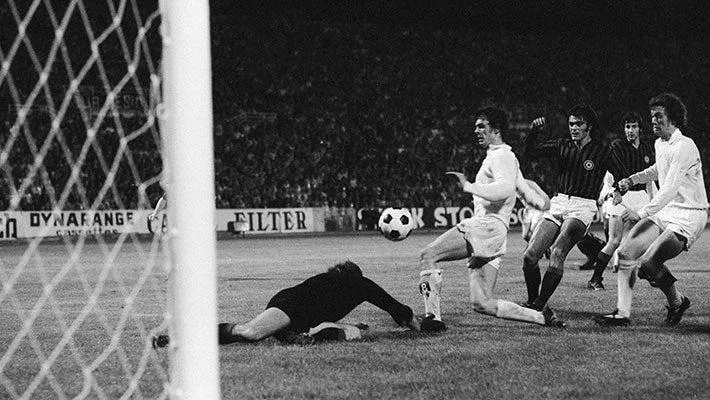
Thessaloniki: The European final that left a grievance
Luciano Chiarugi's early goal gave AC Milan the Cup Winners' Cup in Thessaloniki, but it was the refereeing and the sense of injustice that made the 1973 final last in Leeds memory. The result cannot be changed; the questions it left behind still deserve careful telling.
Leeds United's 1972–73 season ended with two cup final defeats in eleven days. The first came at Wembley, where Sunderland beat the FA Cup holders 1–0. The second followed in Thessaloniki on 16 May, when AC Milan won the European Cup Winners' Cup final by the same scoreline. The similarities ended there. The Sunderland defeat was a story of a goalkeeper and an upset. The Milan final became a lasting argument about refereeing, fairness and the way a European dream could disappear in a single evening.
Leeds were competing in their second major European final in a decade and were still one of the strongest teams in England. Milan were a formidable opponent, with Gianni Rivera among their outstanding players, and the final was played at the Kaftanzoglio Stadium in Greece rather than at either club's home. The neutral setting should have made the contest feel like a celebration of European football. Instead, the mood darkened almost immediately.
Milan took the lead in the fifth minute through Luciano Chiarugi. Leeds had been caught early, and the goal gave the Italian side the most valuable thing in a one-off final: a lead to protect. Revie's team tried to respond, but the match became increasingly defined by disputes over decisions. Leeds believed they had strong claims for penalties and felt that challenges against them were treated differently to those made by Milan. Manager Don Revie and his players were furious as the final wore on.
The 1–0 scoreline remained until the end. Leeds' protests did not change the result, and Milan lifted the trophy. As the Italian side celebrated, sections of the crowd threw missiles and the atmosphere turned ugly. The match was followed by appeals for a replay, but UEFA did not overturn the result.
The referee, Christos Michas, later received a lifetime ban after a separate match-fixing investigation. That fact has often been folded into the story of the 1973 final, but it is important to keep the distinction clear: the available account of his later ban does not establish that this final was fixed or that his ban was imposed because of his decisions in Thessaloniki. The final was controversial, Leeds had serious grievances, and the referee's later history deepened suspicion. Those points are not the same as proof that the result was corrupt.
That distinction does not diminish the hurt. Football supporters remember decisions that appear to change the course of a match, especially when the prize is a major European trophy. Leeds felt they had been denied a fair opportunity to win. The club's case for a replay was rejected, and the result became permanent. There is no way to know what would have happened if a different decision had been made, but it is understandable that the final joined the list of matches Leeds supporters have never entirely made peace with.
The wider context made the defeat worse. Leeds had already lost the FA Cup final to Sunderland less than a fortnight earlier. They finished third in the First Division and ended the season without the trophies their quality seemed to promise. The following year, Revie's side would win the league again, but that did not erase the disappointment of 1973. It became part of the emotional background against which the second title was won.
The final matters because it reveals both the greatness and the vulnerability of the Revie era. Leeds were a team capable of reaching the final of a European competition, but they were also a club whose story was increasingly shaped by controversy and the feeling of being treated unfairly. Some of that came from real events; some was strengthened by the culture and reputation surrounding the team. A careful account must acknowledge the grievance without claiming more than the evidence can support.
Leeds lost 1–0. Milan won. The trophy went to Italy. What remained at Elland Road was another final defeat, and an argument that would outlive the players who had taken part in it.