
News
The Pie Tax and the Sky Sports Standoff: Cellino’s Matchday Economics
A compulsory £5 meal voucher, a threatened television blackout and a chairman who admitted that a ticket surcharge was linked to criticism from supporters: Leeds’ 2015 matchdays were never short of side-plots.
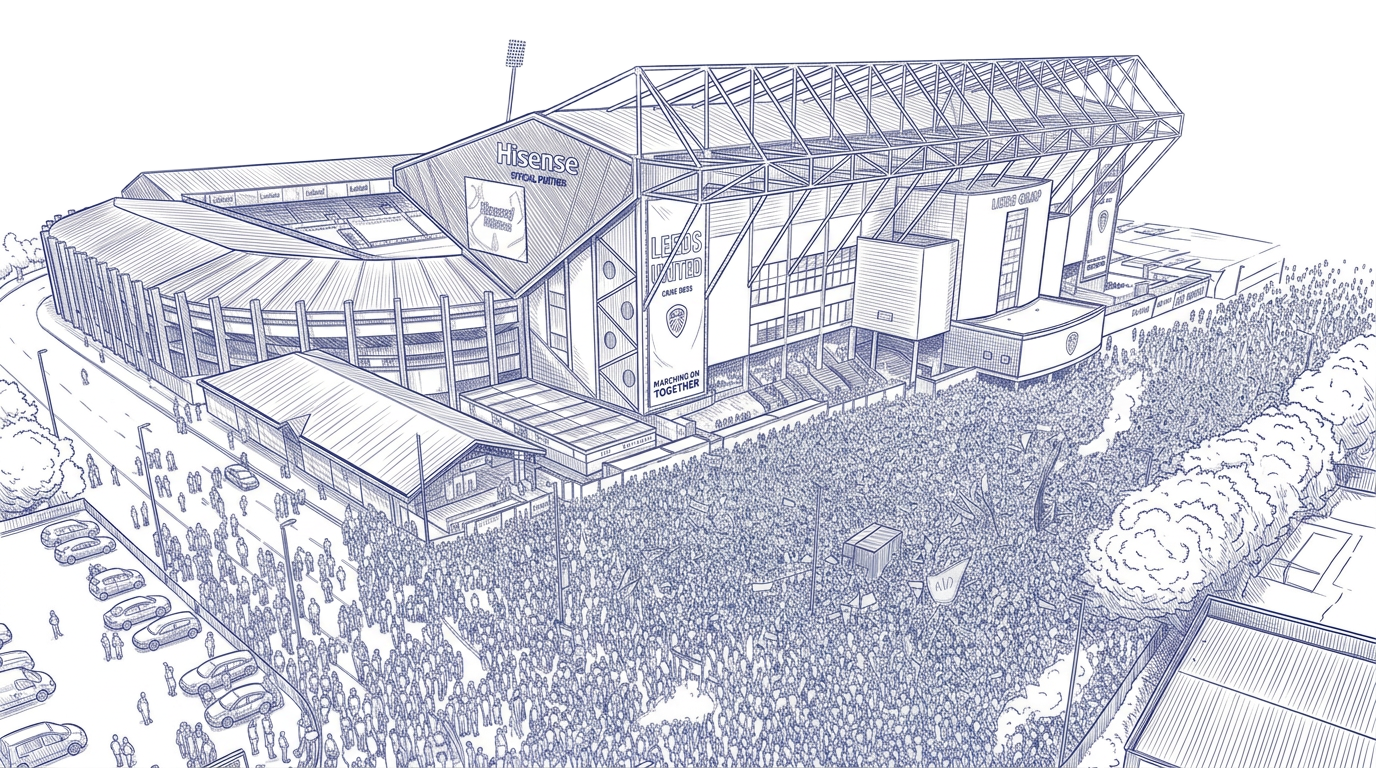
The £5 that bought a pie whether you wanted one or not
In December 2015, Leeds United introduced a £5 increase to South Stand match tickets, packaged with a meal-deal voucher. Supporters did not have the option simply to buy the ticket at its previous price and decline the food. The club described it as a package intended to encourage use of the catering facilities; supporters gave it a much shorter name: the “pie tax”.
The detail was more irritating than the headline suggested. The voucher could be redeemed against food or drink, but the extra charge was compulsory for South Stand buyers. For a Category A match, adult tickets in that area could reach £42 if bought on the day. The club said the package was a commercial arrangement, while supporters saw another example of the Cellino regime making matchday life harder.
A protest with a number attached
The reaction was organised quickly. Supporters planned to leave the stadium in the 17th minute of the home match against Hull City on 5 December, remaining out for 17 minutes. The choice of 17 was deliberate: Cellino was widely known for his superstition about the number. A ticketing dispute had become a protest designed around the owner’s own quirks.
The episode captured the atmosphere of the time. The increase itself was only one part of the anger; it landed amid frustration about the club’s direction, communication with supporters and Cellino’s broken promise to sell to a fans’ consortium. A food voucher had somehow become a symbol of the wider relationship between owner and crowd.
The television cameras stay outside — briefly
Less than a month later, Leeds found another way to turn a routine fixture into a public argument. On 29 December, the club initially refused to allow Sky Sports cameras into Elland Road for the televised Championship match against Derby County. Cellino objected to the number of Leeds matches moved for television, arguing that the changes affected attendances.
The Football League warned that Leeds would face a misconduct charge if the broadcast was blocked. The club eventually relented, allowing Sky to show the 2-2 draw after a stand-off that dominated the build-up. It was an attempted ban, not a match that went ahead without television coverage.
A season of commercial side quests
The pie tax and the Sky dispute were different rows, but both came from the same question: who controlled the matchday experience, and who paid for it? One put a price on a pie voucher; the other threatened to remove the cameras that brought the game to a national audience.
For a club with Leeds’ history, these were not the grand controversies of trophies, managers or transfers. They were smaller, stranger episodes — exactly the sort that supporters still recall because they made an ordinary Saturday feel like another instalment in the Cellino show.