
News
Charlton Athletic 2–1 Leeds United, 1987 play-off final replay: The play-off final that broke Leeds hearts
Leeds recovered from a first-leg defeat, levelled the tie and took the lead through John Sheridan in extra time. Two goals from Peter Shirtliff turned the replay around and prolonged Leeds’ exile from the First Division.

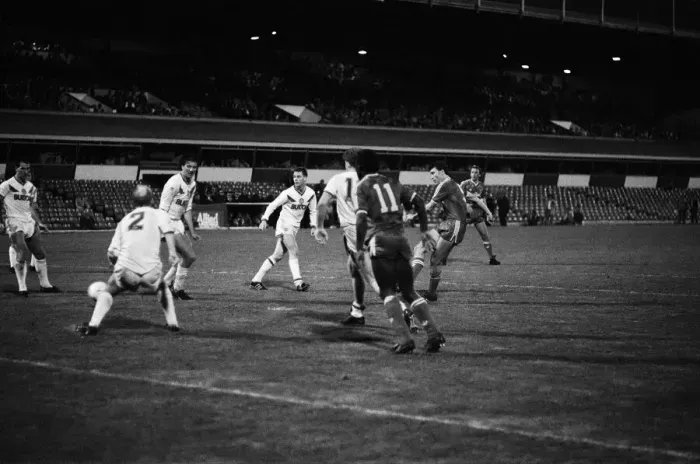
The play-off final that broke Leeds hearts
Leeds had recovered from a first-leg defeat and looked set to take the replay into a penalty shoot-out. John Sheridan's audacious free-kick put them ahead, but two extra-time goals from Peter Shirtliff denied Billy Bremner's side promotion.
The 1987 play-offs offered Leeds United a second chance at a season that had already contained one huge disappointment. Six weeks earlier, the FA Cup semi-final defeat to Coventry had ended the dream of Wembley. Now a place in the First Division was at stake, and for a club that had been outside the top flight since 1982, promotion would have meant far more than a change of league.
Charlton Athletic were fighting to preserve their place in the First Division, while Leeds had finished fourth in the Second Division and won through to the final after a hard-fought semi-final against Oldham Athletic. The final was played over two legs, then settled by a replay if the aggregate score remained level. This was not a tidy, modern one-off at Wembley. It was a test of endurance, nerves and the ability to reset after every setback.
Charlton took the first leg 1–0 at Selhurst Park. Two days later, back at Elland Road, Leeds had to win simply to force another game. Brendon Ormsby's goal brought the tie level on aggregate and carried the contest to a replay at St Andrew's in Birmingham. Leeds had fought their way back into it, but still had to do the hardest part away from home.
The replay was tight and tense, with the possibility of penalties beginning to hover over the match. In extra time, John Sheridan stepped up for a free-kick and pointed towards the top corner before striking the ball there. The goal was pure theatre, delivered at the moment when tired legs and anxious minds made invention all the more valuable. Leeds were ahead, and promotion was within reach.
But football's cruelties are often found in the few minutes after the moment a team thinks it has solved the problem. Ormsby, the Leeds captain, had already been forced off in the first half with a serious knee injury. He was watching from the stands when Charlton defender Peter Shirtliff scored twice in extra time, turning the tie around and keeping the Addicks in the top flight.
The final score was 2–1 to Charlton after extra time. Leeds had scored first, and still lost. Shirtliff's double was devastating precisely because it arrived after Sheridan's goal had seemed to give the day a clear direction. There was no time left for Leeds to mount another rescue.
It is difficult to describe the 1987 play-off final as anything other than a missed opportunity, but the full story should not be reduced to the familiar shorthand that Leeds somehow always lose play-offs. The players had come back from a first-leg deficit and were within half an hour of promotion. The detail matters: they were not beaten because they failed to show up. They were beaten because a long and finely balanced tie turned on a short, brutal spell of extra time.
The significance is also measured by what happened next. Leeds remained in the Second Division for three more seasons before Howard Wilkinson guided them to promotion in 1990. That later success gave the 1987 defeat a place in a longer story of reconstruction: the false dawns, the near-misses and the gradual process of turning Leeds from a former giant into a team capable of climbing again.
For supporters, the memory of Sheridan pointing at the corner before scoring remains a small, brilliant image from a match whose ending was anything but brilliant. It captures what football does so cruelly well: offers a moment that feels destined to become legend, then changes the ending. Leeds were left with another year in the Second Division and the knowledge that they had come closer than ever, only to have it taken away.