
News
Which season produced the most Leeds United goals?
Leeds United's highest league total is 98 goals in 1927–28, while the modern high-water mark is 95 in 2024–25. The answer changes depending on whether you mean league goals or all competitions.
The answer depends on which goals you count
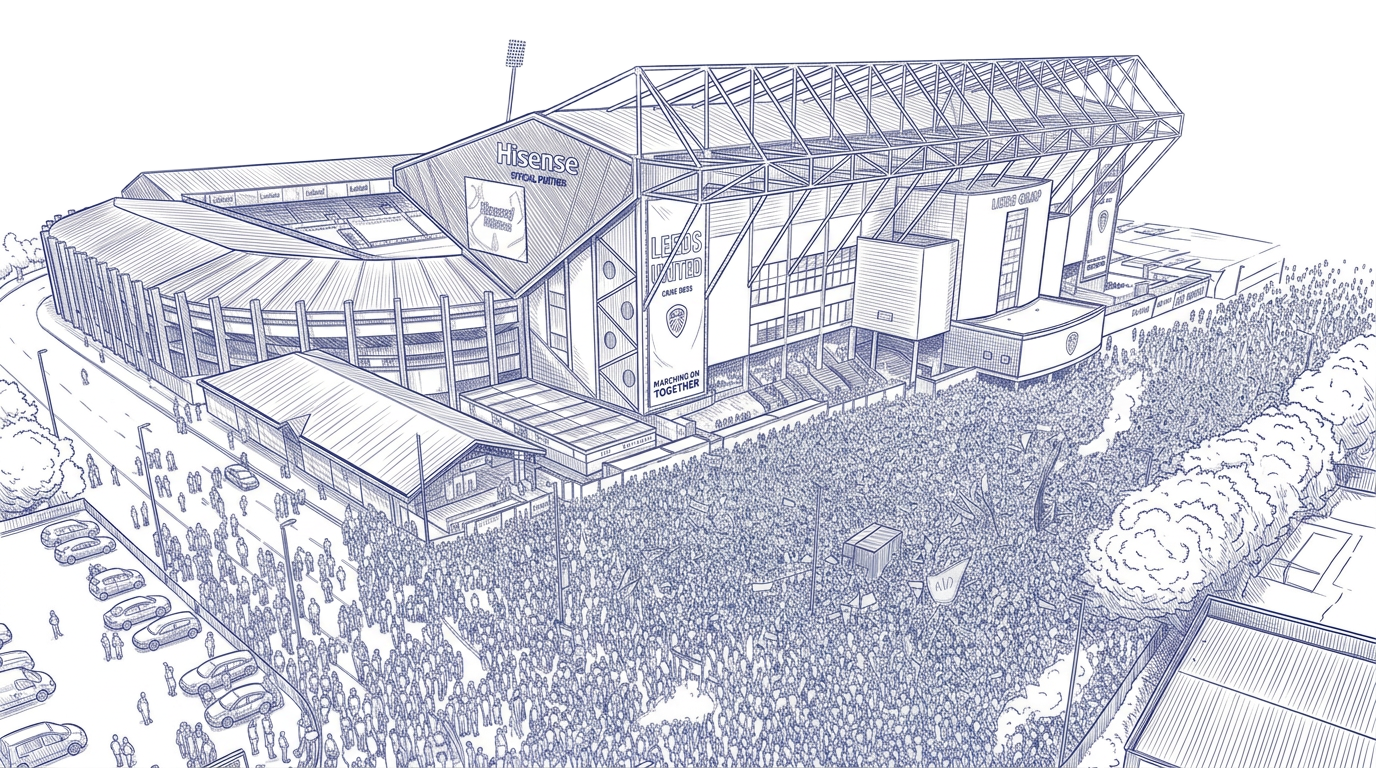
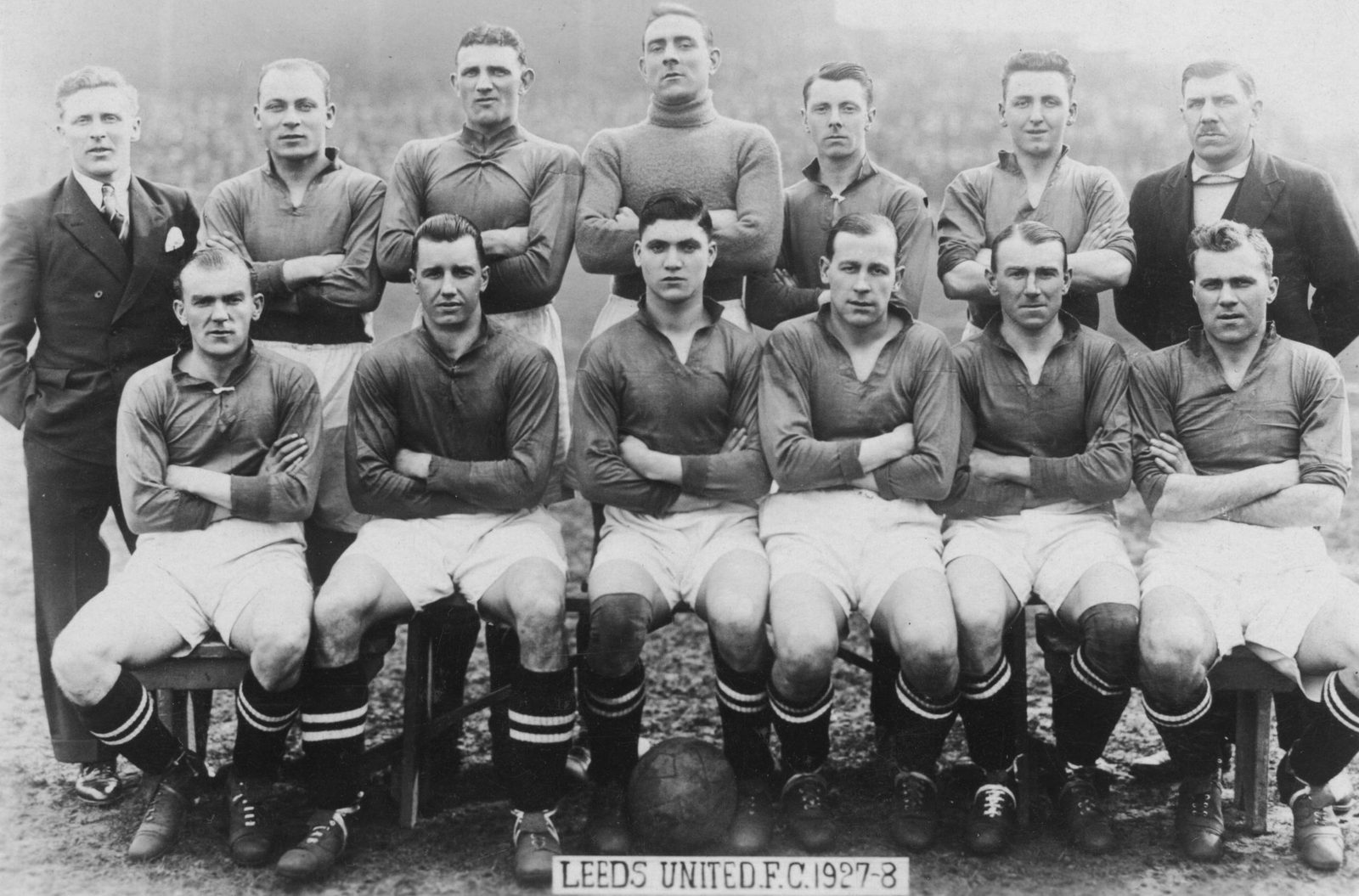
There are two headline answers to the question of which Leeds United season produced the most goals. In league competition, Leeds scored 98 goals in 1927–28, in the Second Division. Across all competitive matches, 2008–09 produced 98 goals in the season totals supplied for this article, comprising 75 in the league and 23 in cup competitions.
Those two figures sound identical, but they measure different things. The 1927–28 total was achieved in 42 league matches, an average of 2.33 goals per game. The 2008–09 figure combines league and cup football. More recently, Daniel Farke's 2024–25 team scored 95 league goals in 46 Championship matches, making it the modern high-water mark for league scoring in the supplied record.
The key lesson is simple: a “most goals” record needs its competition scope attached. League goals are the cleanest comparison between league seasons; all-competition totals capture a wider campaign but depend on how many cup games a team played.
The highest-scoring league campaigns
| Rank | Season | Division | League goals | Matches | Context |
|---|---|---|---|---|---|
| 1 | 1927–28 | Second Division | 98 | 42 | 2.33 goals per match |
| 2 | 2024–25 | Championship | 95 | 46 | 100-point title-winning season |
| 3 | 1953–54 | Second Division | 89 | 42 | John Charles was central to the attack |
| 4 | 1964–65 | First Division | 83 | 42 | Finished runners-up |
| 5= | 2010–11 | Championship | 81 | 46 | Attacking EFL campaign |
| 5= | 2023–24 | Championship | 81 | 46 | Play-off season |
The table tells a story of eras as well as goals. The leading total came before the modern game had settled into today's commercial and tactical shape. The 1953–54 side was built around John Charles, one of the most gifted footballers Leeds have ever produced. The 1964–65 team scored 83 goals in the First Division and still finished runners-up, showing that an outstanding attacking return does not guarantee a title. The 2024–25 figure, meanwhile, came in a 46-game season and accompanied a Championship title with 100 points.
1927–28: a historic 98-goal league season
A total of 98 league goals in 42 matches means Leeds averaged well over two goals per game across the season. It is the leading league total in the dossier, and a useful reminder that the club's attacking history did not begin with Revie or with the television era. It reaches back to the early decades when Leeds were still establishing their identity and moving through the Football League's divisions.
Raw totals from older seasons should be handled carefully. Divisions sometimes had different numbers of teams, which affected the number of matches available. Scoring conditions, tactics, pitches and the rules of the game also changed. That is why the average of 2.33 goals per match is useful alongside the total. It puts the achievement in a more comparable frame without pretending the eras were identical.
John Charles and the 1953–54 attack

The 1953–54 side scored 89 league goals, with John Charles accounting for 42 of them in the supplied league record. That is almost half the team's entire league output from one player. It gives a sense of the extraordinary season Charles produced: not just a talented all-round footballer, but a source of goals capable of dominating a team's attacking record.
The supplied dossier separately credits Charles with 43 goals in the season's 20-goal campaign list, a figure that appears to include all competitions rather than league goals alone. That distinction is important. One competition scope can produce 42, another 43, without the figures necessarily conflicting. Before publishing this detail, the underlying player-season record should explicitly label the league total and all-competition total.
The contrast with 2024–25 is compelling. Farke's side scored 95 league goals, with the contribution spread among several attacking players, including Joël Piroe, Daniel James, Manor Solomon, Wilfried Gnonto and Brenden Aaronson. Rather than one forward accounting for nearly half of the team's league goals, the output came from a deeper group. The modern game requires attacking contributions from several roles, and Leeds' total reflects that wider distribution.
1964–65: 83 goals and still no title
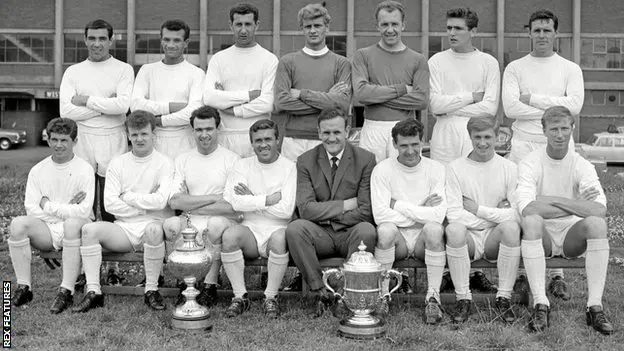
Leeds scored 83 First Division goals in 1964–65 and finished runners-up. The team was already developing into one of the strongest sides in the country, but its league campaign ended without the championship. That makes this season an important comparison with the record-setting totals from the second tier.
Scoring is an obvious component of success, but a league season is decided by the balance between goals for, goals against and points accumulated. The 1964–65 story is a reminder that an attacking record can coexist with a painful near-miss. That tension is a recurring theme in Leeds history: some of the club's most celebrated teams were also teams that left supporters wondering what might have been.
The all-competition record: 2008–09

Across all competitive matches, the source dossier identifies 2008–09 as the highest-scoring season with 98 goals: 75 in the league and 23 in cup competitions. The side was playing in League One, and the campaign included additional cup fixtures that broaden the total beyond the league table.
The all-competition figure is useful because cup football can be a significant part of a season's story. But it is not directly interchangeable with the league total. A team that reaches more cup rounds has more opportunities to score; another team may exit early but have a stronger league goal tally. When comparing Leeds' all-competition seasons, readers should look at the number of matches played and the competitions covered as well as the final total.
The dossier places 2023–24 close behind on 93 all-competition goals, including 81 in the Championship and 12 in cups. That season was another high-scoring campaign even though the play-off final ended in disappointment. In 2024–25, the league tally rose to 95 as Leeds won the Championship title.
What high-scoring seasons reveal about Leeds
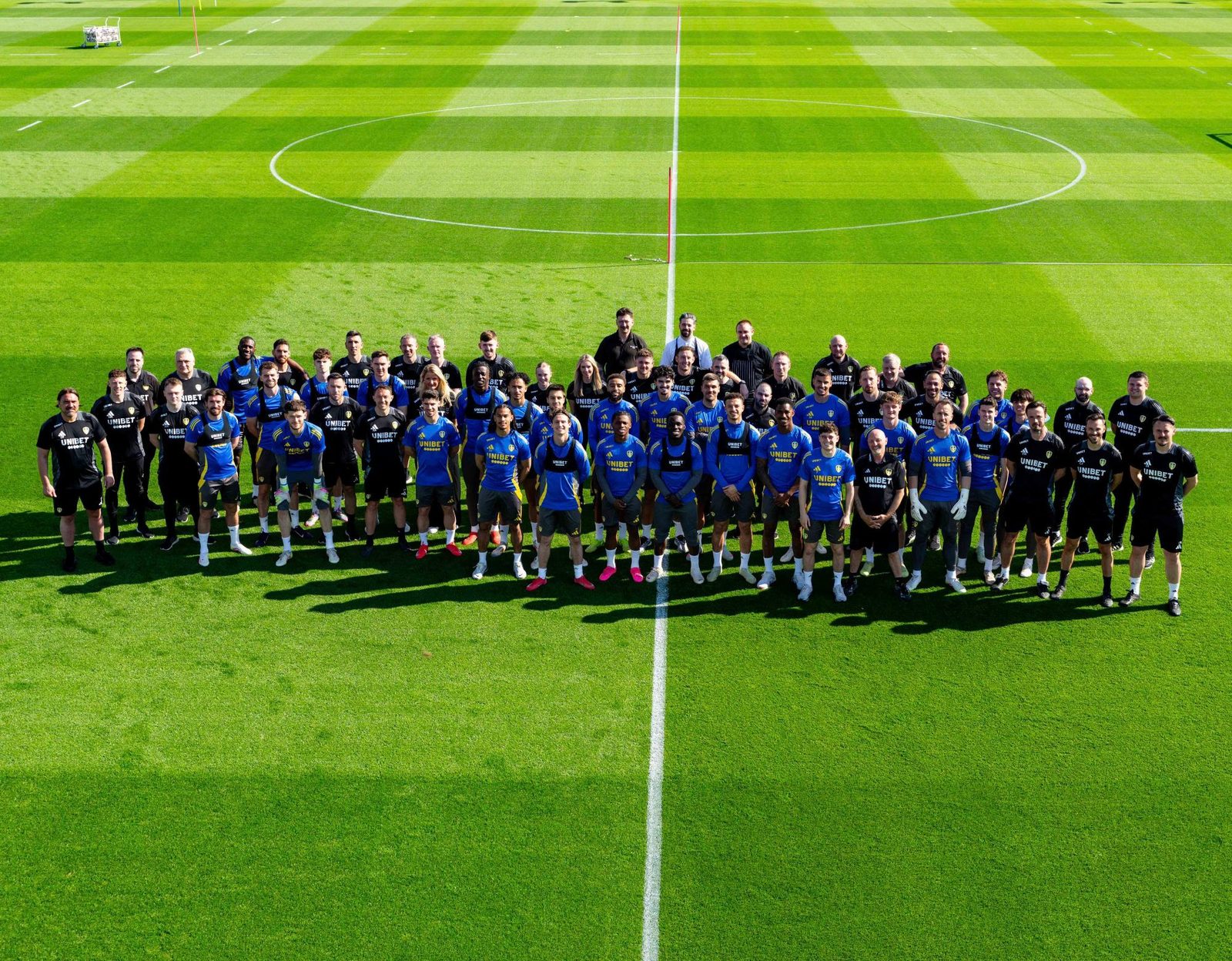
The numbers show that there has never been just one Leeds style of attacking football. Some seasons have been shaped by the goals of an outstanding individual, such as Charles. Others have distributed scoring across an entire team, as in 2024–25. Some high totals came in the second tier, where Leeds were trying to win promotion; another came in the First Division, when the team was already challenging the best sides in England.
That is why this record is more interesting than naming one season and stopping there. The scoring total points to a footballing identity, but the context explains it: division, number of matches, cup runs, team structure and what the goals ultimately achieved.
The Numbers Behind verdict
Leeds' highest league total in the supplied record is 98 goals in 1927–28. The modern league benchmark is 95 in 2024–25. For all competitions, 2008–09 leads with 98 goals, although that uses a different counting scope from league goals alone.