
News
Which opponents have Leeds United beaten most often?
Derby County are Leeds United's most frequently beaten opponent in the supplied competitive-match database, with 61 Leeds victories in 128 meetings.


The answer: Derby County, beaten 61 times
Derby County are the opponent Leeds United have beaten most often, according to the competitive meeting totals in the supplied historical dataset. Leeds have recorded 61 wins in 128 matches against Derby, scoring 194 goals and conceding 156. That gives Leeds a 47.7% win rate across the recorded meetings.
The ranking has a particular resonance for Leeds supporters. The Revie–Clough rivalry gave Leeds and Derby a prominent place in English football's story during the 1970s, and the modern play-off rivalry brought the clubs back together in dramatic circumstances in 2019. The numbers span far more than those famous chapters, but the name at the top of the list is difficult to separate from the historical rivalry.
The most-beaten opponent is not necessarily the rival against whom Leeds have the best win percentage. Clubs have faced Leeds different numbers of times, and a club with fewer meetings can have a stronger win ratio but fewer total defeats. For this ranking, the measure is simply total Leeds victories, because the question is which opponents have been beaten most often.
The ten most-beaten opponents
| Rank | Opponent | Meetings | Leeds wins | Draws | Leeds defeats | Leeds goals | Opponent goals |
|---|---|---|---|---|---|---|---|
| 1 | Derby County | 128 | 61 | 29 | 38 | 194 | 156 |
| 2 | Everton | 124 | 53 | 35 | 36 | 175 | 161 |
| 3 | Leicester City | 131 | 50 | 36 | 45 | 218 | 191 |
| 4= | West Ham United | 114 | 50 | 31 | 33 | 189 | 168 |
| 5 | Stoke City | 99 | 49 | 20 | 30 | Not supplied | Not supplied |
| 6= | Southampton | 101 | 48 | 22 | 31 | 160 | 114 |
| 6= | Blackburn Rovers | 106 | 48 | 24 | 34 | 161 | 138 |
| 8 | Wolverhampton Wanderers | 106 | 47 | 23 | 36 | Not supplied | Not supplied |
| 9 | Coventry City | 87 | 45 | 23 | 19 | Not supplied | Not supplied |
| 10 | Middlesbrough | 106 | 44 | 29 | 33 | Not supplied | Not supplied |
The table shows several different forms of familiarity. Derby and Everton have each been regular opponents across a long span of league football and cups. Leicester and West Ham have similarly long records against Leeds, while Stoke, Southampton, Blackburn, Wolves and Middlesbrough reflect the repeated meetings that come from moving between divisions over decades.
Derby lead in raw wins, but Coventry stand out on a percentage basis. Leeds won 45 of 87 recorded matches, a 51.7% win rate. That is the strongest win percentage among the opponents highlighted in the dossier. The distinction is worth making: Derby are the most-beaten opponent by total wins, while Coventry have been a particularly favourable opponent in the matches recorded.
Why Derby are number one
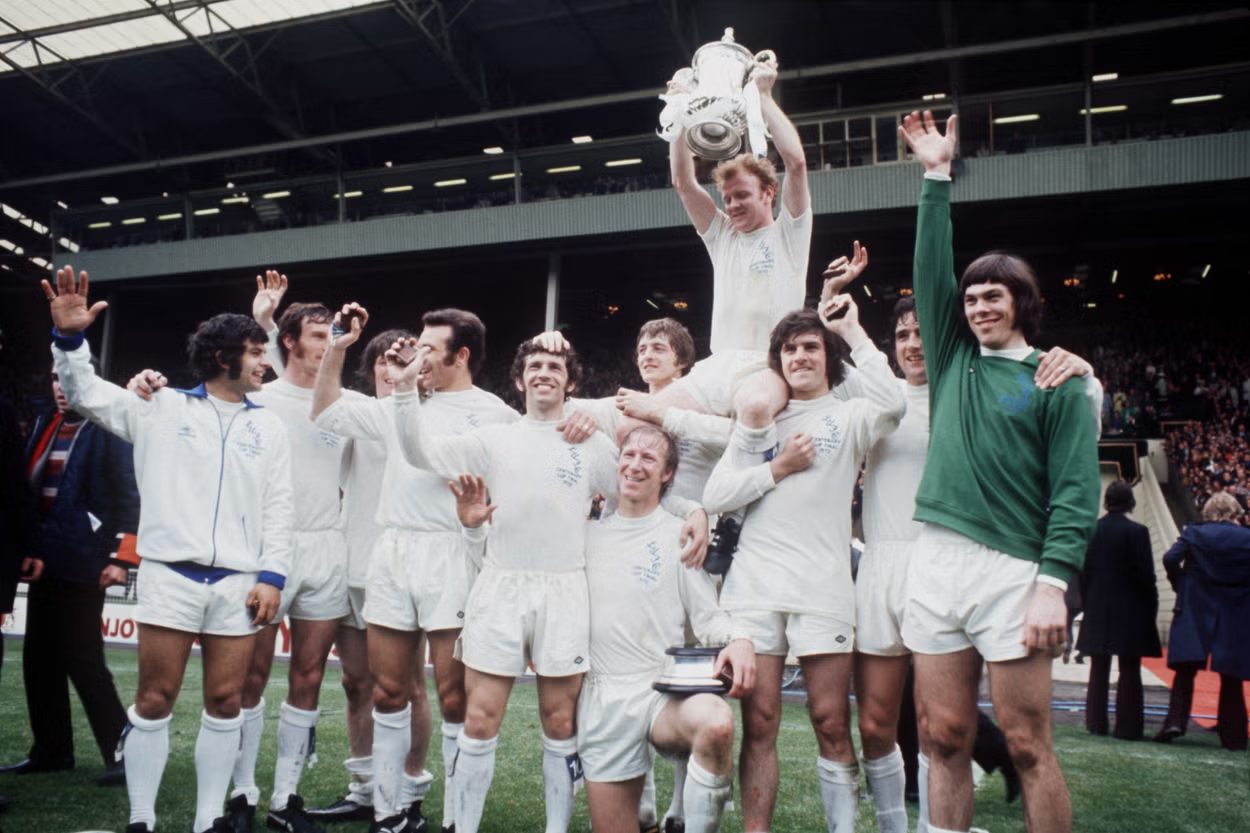
Derby County and Leeds have been connected by more than geography. In the 1960s and 1970s, Don Revie's Leeds and Brian Clough's Derby belonged to the leading group of English clubs, and their managers became central characters in a rivalry that extended beyond the pitch. The clubs' respective rises made matches between them a test of reputation as much as a contest for points.
That history was renewed in 2019, when Derby defeated Leeds in the Championship play-off semi-final after Leeds had won the first leg. The tie, and the surrounding Spygate controversy, gave the fixture another modern chapter. It is a reminder that historical head-to-head records are not merely an accumulation of old scorelines; particular matches can change the meaning attached to an opponent.
The numerical lead, however, reflects the entire record. A 128-match sample includes many ordinary league fixtures as well as famous occasions. The benefit of a long-term database is that it can separate the overall record from the emotional memory of a handful of matches. Both have value, but they answer different questions.
Totals, percentages and the size of the sample
The ranking changes if the question changes. Total wins reward the opponent Leeds have met often and beaten regularly. Win percentage rewards efficiency within the number of recorded matches. Goals for and against provide another view, while home and away records can reveal whether Leeds' advantage has been concentrated at Elland Road or maintained on the road.
For example, Coventry's 51.7% win rate is striking because Leeds have won more than half of the 87 matches in the source record. Derby's 47.7% is lower, yet they remain top because Leeds have beaten them 61 times. Neither statistic contradicts the other. They simply measure different things.
There is also a data-quality consideration. Historical head-to-head lists can differ depending on whether they include all competitive competitions, how abandoned games or replays are handled, and how club identities are consolidated. This article uses the competitive meetings in the supplied Leeds database; before publication, the archive should make that scope visible on the opponent pages so users can reproduce the ranking.
A guide to the opponents who shaped Leeds history
The top ten makes a natural route through the Leeds opponent archive. Derby opens the door to the Clough rivalry and the 2019 play-offs. Everton invites comparisons across different generations of English football. Leicester links the Revie years and more recent Championship seasons. West Ham and Stoke bring decades of league fixtures, while Southampton, Blackburn, Wolves and Middlesbrough have all crossed paths with Leeds in different divisions.
The fact that these clubs occupy the top places is also a reminder that Leeds' history is closely tied to the wider English league structure. Promotions and relegations do not only change Leeds' league position; they alter which opponents appear season after season. The long head-to-head record is a map of those changing circumstances.
The Numbers Behind verdict
Derby County are Leeds United's most frequently beaten opponent in the supplied dataset, with 61 victories from 128 competitive meetings. Coventry City offer the strongest win rate among the clubs highlighted, at 51.7%. The answer depends on whether you rank raw wins, percentage or another measure, so the article states its method clearly.