
News
Which Leeds United player has played in the most different competitions?
Norman Hunter, Peter Lorimer and David Harvey share the all-time record in the supplied Leeds competition dataset, each appearing across six major competition categories.
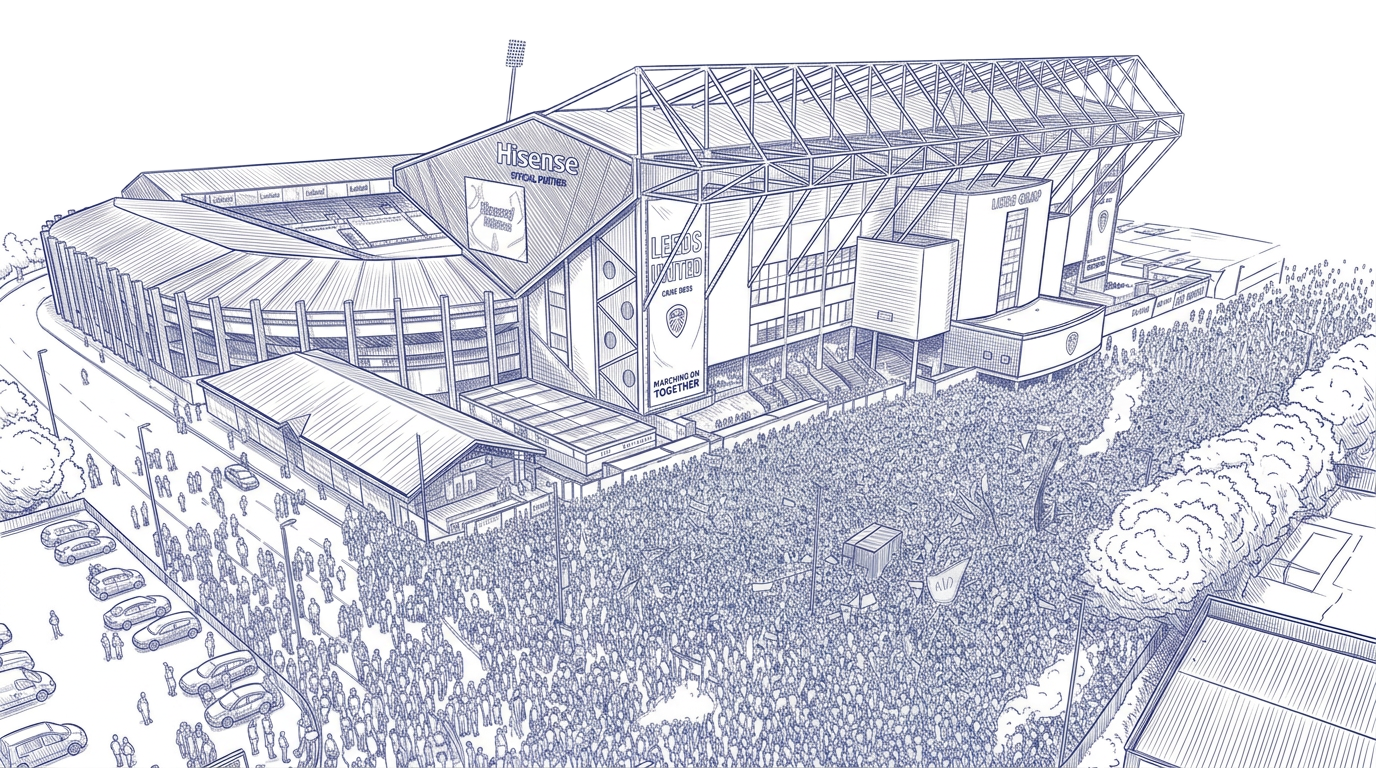
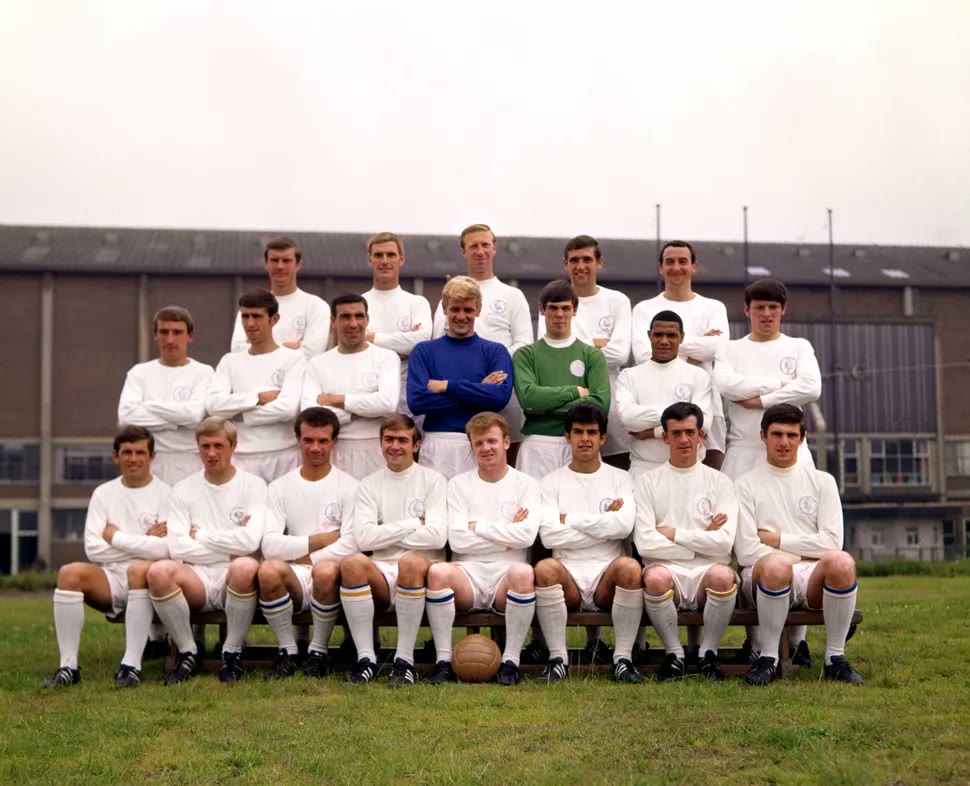
The answer: Norman Hunter, Peter Lorimer and David Harvey share the all-time lead
The supplied Leeds United competition record identifies Norman Hunter, Peter Lorimer and David Harvey as joint leaders, each having appeared in six distinct major competition categories. Their Leeds careers crossed different league levels, domestic cups and European or other cup competitions, making them examples of players whose service stretched across a broad footballing landscape.
This is a different question from asking who made the most appearances or won the most trophies. It asks which players encountered the widest range of competitions while representing Leeds. A player who spends an entire career in one league division and one domestic cup may have hundreds of appearances, but a player who remains at the club through promotion, relegation, Europe and different cup formats can accumulate a wider spread of competition types.
The measure is particularly revealing for Leeds because the club's history includes changes in division, a major European era under Don Revie, later campaigns in the Premier League, and the years spent moving through the EFL. Players who stayed through several of those phases have a different statistical footprint from those whose Leeds careers took place in a single period.
The all-time leaders
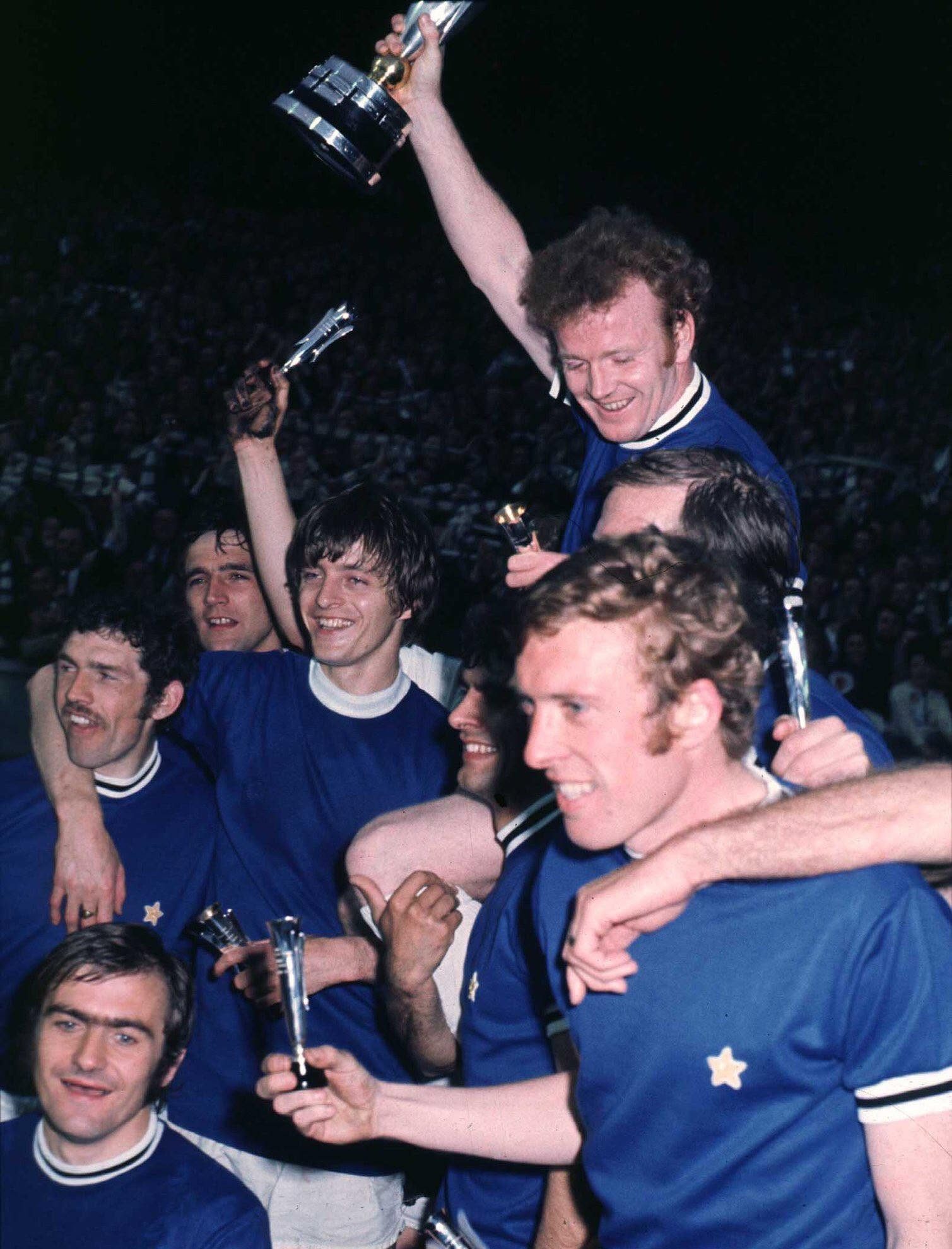
| Player | Competition categories in supplied record | Why the breadth matters |
|---|---|---|
| Norman Hunter | 6 | Spanned league divisions, domestic cups and European competition in the Revie years |
| Peter Lorimer | 6 | Played in domestic and European campaigns across two spells at Leeds |
| David Harvey | 6 | Goalkeeper whose career included league, domestic cup and European contexts |
The six categories described in the supplied dossier include the First Division, Second Division, FA Cup, League Cup, European competition categories such as the European Cup, Fairs Cup and Cup Winners' Cup, and the Charity Shield or Texaco Cup grouping. The important point is that the metric counts the categories defined in the source dataset, not the number of trophies a player won.
Hunter was central to Revie's Leeds, a defender whose physical approach was matched by concentration and organisation. His career included the club's rise into the First Division and its major domestic and European campaigns. Lorimer's place on the list is equally understandable: he played across league football, cups and Europe, and returned to Leeds after his first spell. Harvey's inclusion reflects a goalkeeper's role across the same kinds of seasons, where consistency and availability matter just as much as the outfield player's contribution.
The modern-era leaders

The supplied dossier also identifies a group of modern-era players who appeared across five competition categories: Casper Ankergren, Jonathan Douglas, Sam Byram and Stuart Dallas. Each played in more than one division for Leeds and featured in domestic cup or play-off football, with the EFL Trophy also part of the period's competition landscape.
| Player | Modern-era record noted in dossier | Context |
|---|---|---|
| Casper Ankergren | 5 categories | Part of Leeds' League One and Championship years |
| Jonathan Douglas | 5 categories | Played through the EFL period and the movement between divisions |
| Sam Byram | 5 categories | Rose through Leeds and later experienced Premier League football elsewhere; Leeds appearances came across a changing era |
| Stuart Dallas | 5 categories | Played in League One, Championship and Premier League contexts at Leeds, alongside cup football |
The modern group tells a different story to the all-time trio. Hunter, Lorimer and Harvey came through the club's old competition structure, including European tournaments that no longer exist in the same form. The more recent players experienced the modern three-tier era, when Leeds spent time in League One, the Championship and the Premier League, alongside play-offs and cup competitions.
There is one technical point to settle before publishing this as a definitive leaderboard. The source dossier says the modern leaders have five distinct competitions, while its parenthetical list includes the Premier League, Championship, League One, FA Cup, League Cup and EFL Trophy/play-offs. That may reflect a grouping in which the EFL Trophy and play-offs are treated together, but the taxonomy should be made explicit. Otherwise, a reader counting the labels may reasonably arrive at a different total.
The almosts: players with five competitions
The dossier also highlights Jermaine Beckford and Jonny Howson, who experienced League One, the Championship, FA Cup, League Cup and EFL Trophy with Leeds, but not the Premier League while at the club. Pablo Hernández, Luke Ayling and Patrick Bamford appeared in the Championship, Premier League, FA Cup, League Cup and play-offs.
These examples show why the measure is about a career's path, not merely its length. Beckford and Howson helped Leeds through the League One era and into the Championship. Hernández, Ayling and Bamford belonged to the Bielsa-era transformation and the return to the Premier League. Their careers intersected with different structures and different levels of the English game, leaving a useful record of the club's recent journey.
Why playing in many competitions tells a Leeds story
Leeds' competition history is not static. The club has played across the top two divisions for most of its modern history, dropped to the third tier and then returned to the Premier League. The Revie era added European football; the modern EFL years introduced play-off campaigns and new cup structures. A player who stays for several years can therefore collect a wide range of competition appearances simply by remaining part of the team as the club's circumstances change.
That is why the metric can be a doorway into the archive. Click on Hunter and the reader can explore the Revie years. Click on Lorimer and follow his two spells, his goals and his European records. Click on Dallas and find a modern career that spanned a promotion campaign and Premier League survival. The competition count gives the visitor a quick answer; the player and season pages give it meaning.
It also helps explain why historical comparisons need definitions. The Fairs Cup was replaced by later European competitions, play-offs have changed format, and the League Cup or EFL Trophy did not mean the same thing in every era. A transparent database should list the categories counted and allow readers to see what qualifies.
The Numbers Behind verdict
Norman Hunter, Peter Lorimer and David Harvey share the all-time lead at six competition categories in the supplied record. The named modern-era leaders are listed at five, but the site's exact competition grouping should be clarified before publishing the count as a definitive fact.