
News
Leeds United All-Time Record Signings and Biggest Player Sales
Who are Leeds United’s record signings and biggest sales? Explore the highest reported incoming and outgoing fees, the stories behind the deals and why undisclosed fees and add-ons make transfer rankings less exact than they appear.
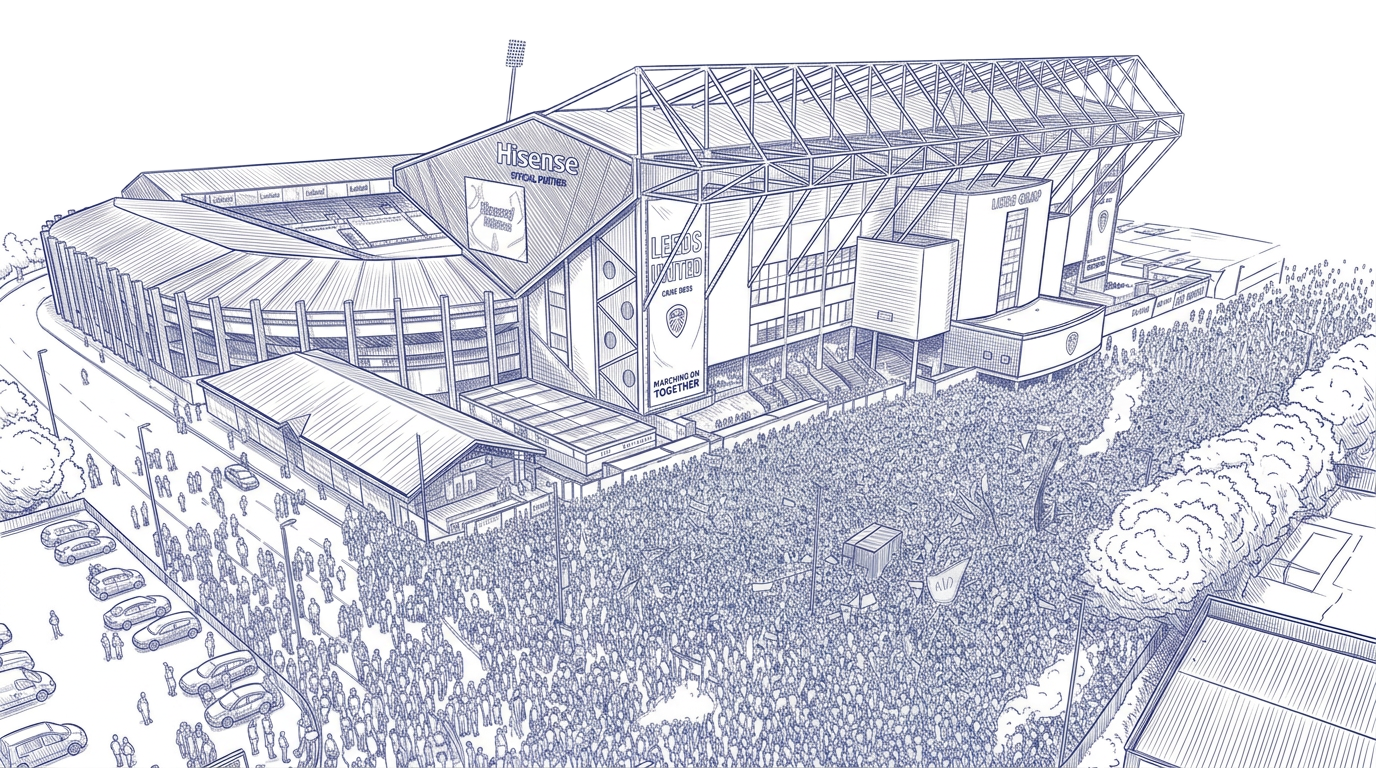
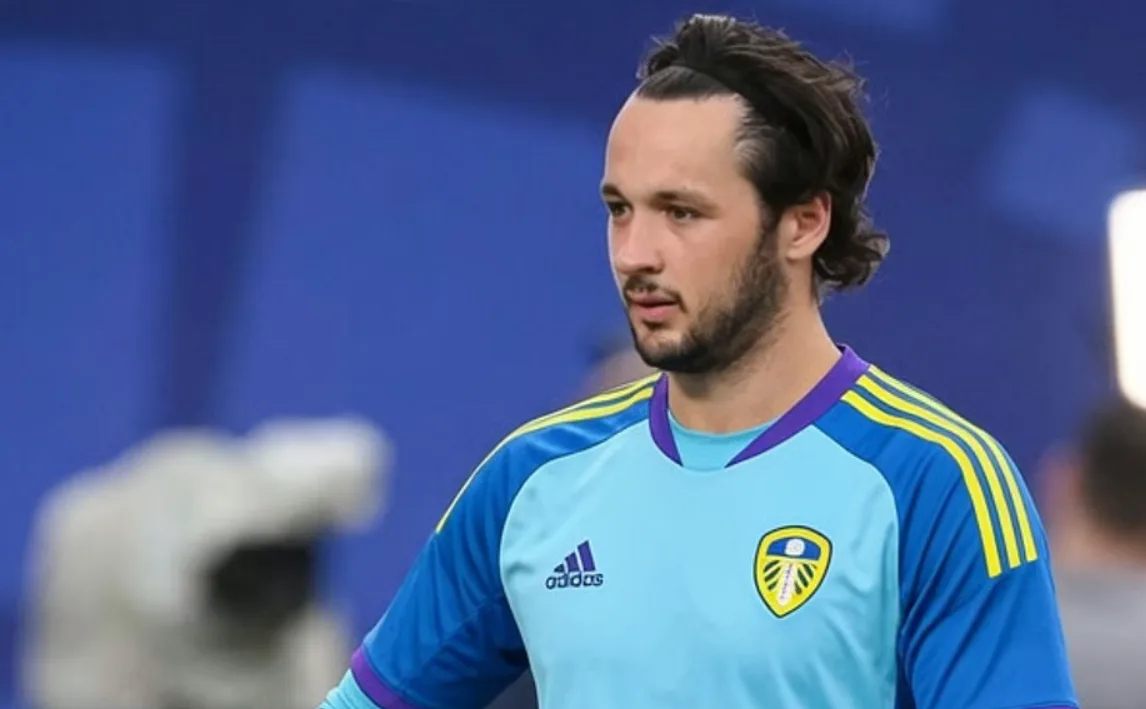
Leeds United’s transfer record tells two different stories: the money invested in attempts to rebuild the team, and the money received when star players left. Fee rankings are complicated by undisclosed terms, add-ons, currency conversions and contractual obligations, so every “record” needs a little care.
Transfer records are made to be broken, and Leeds United have had plenty of them. The club has spent heavily to assemble promotion-winning and Premier League squads, and it has also sold some of its most important players for fees that changed the club’s finances. The two lists are linked: Leeds’ biggest sales have often followed relegation, a change in ownership or a player whose performances have outgrown the club’s immediate circumstances.
There is no perfectly clean all-time fee table. Clubs frequently announce transfers for an undisclosed fee; newspapers report packages that may include bonuses; databases can convert fees into euros using different exchange rates; and contractual obligations, loan fees and permanent transfer fees are not always comparable. The most responsible way to read a ranking is as a list of the highest widely reported or publicly estimated values, not as an audited set of invoices.
This article uses nominal fee estimates in pounds sterling wherever reasonably available. It does not adjust historical fees for inflation. It also distinguishes official undisclosed fees from figures reported by media or transfer databases. For the latest known values and the underlying recorded deals, see the Leeds Ins & Outs Transfer Records archive.
Leeds United’s highest reported incoming fees
The list below is a practical guide to the leading incoming fees reported by credible media or commonly used transfer databases. The exact ordering near the middle can vary with add-ons and exchange rates. James Trafford is a special case: Leeds officially described his 2026 move from Manchester City as a club-record fee but did not disclose the price.
| Player | From | Reported fee / status | Why the deal mattered |
|---|---|---|---|
| James Trafford | Manchester City | Club-record fee; reported around £40m package, undisclosed officially | 2026 signing; the club confirmed a record fee and made him the most expensive British goalkeeper. |
| Georginio Rutter | Hoffenheim | Around £35m reported | Record signing in 2023; Leeds paid for a player they believed could anchor the attack. |
| Rodrigo | Valencia | Around £27m reported | Club-record signing in 2020 as Leeds returned to the Premier League. |
| Daniel James | Manchester United | Around £25m reported | A long-pursued target whose pace became part of the Bielsa-era attack. |
| Brenden Aaronson | Red Bull Salzburg | Around £24–25m reported | A high-intensity attacking midfielder signed ahead of the 2022–23 Premier League season. |
| Luis Sinisterra | Feyenoord | Around £21m reported | Signed after Raphinha’s departure; his season was disrupted by injuries. |
| Jean-Kévin Augustin | RB Leipzig / loan arrangement | Approx. £18–20m obligation dispute; not a normal completed-fee comparison | A contractual obligation after a loan became a major legal and financial controversy. |
| Tyler Adams | RB Leipzig | Around £20m reported | A key midfield signing in 2022; subsequently sold after Leeds’ relegation. |
| Diego Llorente | Real Sociedad | Around £18m reported | An important defensive investment in the club’s first Premier League period under Bielsa. |
| Raphinha | Rennes | Around £17m reported | A relatively modest fee compared with later sales, which became outstanding value on the pitch. |
The table should be read with the fee notes attached. Leeds’ official announcement of Trafford’s signing confirms a club-record fee but says the amount is undisclosed; using the commonly reported figure is useful for context, but it should not be labelled an official fee. Similarly, the Augustin case is not directly comparable with a straightforward permanent transfer: the obligation to buy after his loan became a dispute that involved the club’s finances and legal position.
Rutter’s move from Hoffenheim in 2023 was a club-record deal at the time and illustrated Leeds’ willingness to invest heavily in a player with potential rather than merely proven Premier League output. Rodrigo’s signing in 2020 was another attempt to raise the team’s technical level. James, Aaronson, Sinisterra, Adams and Llorente reflect different recruitment cycles, but each represented a material outlay during periods when Leeds were attempting to establish or preserve themselves in the Premier League.
The biggest reported outgoing transfers
| Player | To | Reported fee / status | Context |
|---|---|---|---|
| Raphinha | Barcelona | Around £55m reported | One of Leeds’ standout players in their Premier League return; the sale produced a major fee after two seasons. |
| Kalvin Phillips | Manchester City | Around £42m, potentially higher with add-ons | A local academy product who became an England international and left after Leeds’ survival in 2021–22. |
| Georginio Rutter | Brighton & Hove Albion | Around £40m reported | Sold after Leeds’ Championship campaign, illustrating how promotion and relegation can alter squad plans. |
| Archie Gray | Tottenham Hotspur | Around £30m reported, with variables depending on report | A homegrown player whose sale generated a major fee and reflected the financial reality after relegation. |
| Rio Ferdinand | Manchester United | £29.1m widely reported in 2002 | A British-record transfer at the time; sold during the period of growing financial pressure. |
| Crysencio Summerville | West Ham United | Around £25m reported | Sold after a Championship season in which he won major individual recognition. |
| Tyler Adams | Bournemouth | Around £20m reported | Left after the 2022–23 relegation, in a period of squad turnover. |
| Luis Sinisterra | Bournemouth | Around £20m reported / conditional terms vary | A deal affected by loan and conditional-fee structures, so headline reports differ. |
| Chris Wood | Burnley | Around £15m reported | A significant fee for a striker whose Leeds career had been short. |
| Jack Clarke | Tottenham Hotspur | Around £10m reported | A young player whose transfer involved a subsequent loan back to Leeds. |
The highest reported sales include three of the most valuable players of Leeds’ modern era: Raphinha, Phillips and Rutter. Raphinha’s sale followed a season in which he was central to Leeds’ survival; Phillips’ exit was emotionally different because he had developed through the academy and represented the city as well as the team; Rutter’s departure reflected a club that had moved from Premier League spending to the financial and sporting realities of the Championship.
Rio Ferdinand belongs in the discussion because the transfer to Manchester United in 2002 was widely reported at £29.1m, a British record at the time. It was not simply a big fee; it symbolised a turning point. Leeds had recruited aggressively in pursuit of European success, and the sale of a leading defender to a direct rival became one of the most visible examples of the financial pressure that followed.
Some modern sales are reported at near-equal levels, especially when add-ons, clauses or foreign-currency totals are included. Archie Gray’s move to Tottenham, for example, is often reported at about £30m, but published figures can differ over whether all bonuses are counted. Tyler Adams and Luis Sinisterra have also been described with varying headline totals. That is why a “top ten” should include a source field and a “reported/undisclosed” label rather than making every fee appear exact.
Why transfer-fee lists disagree
There are four recurring reasons. First, undisclosed does not mean zero and should not be replaced with an invented fee. Second, headline fees may include potential add-ons that are never paid. Third, databases may count the total package differently from the initial guaranteed amount. Fourth, a loan with an obligation or option to buy can be treated differently from a direct permanent transfer.
Exchange rates add another wrinkle. A fee agreed in euros may be converted into pounds using the rate on the transfer date, a current rate or a database’s standard conversion. Those methods can shift a player several places in the rankings without any change to the underlying deal. For an all-time archive, nominal pounds with the originally reported value and the original currency noted is generally clearer than pretending a conversion is exact.
This is also why inflation-adjusted transfer fees should be treated separately, if at all. Adjusting an old fee to today’s purchasing power requires choosing a method and may answer a different question from “What was the fee paid?” For a straightforward transfer record, the nominal fee at the time is the most direct historical fact.
The fees that changed Leeds United
Leeds’ transfer history is not simply a list of expensive players and profitable sales. It is a record of what the club hoped to become, how long it could sustain those ambitions and what happened when circumstances changed. Ferdinand, Raphinha and Phillips all left with enormous consequences for the squad and supporters. Rutter’s signing represented a new ambition after relegation; his eventual sale told a different story.
The biggest incoming transfer is not automatically the best signing. A record fee creates expectation, but performance, availability, resale value and the team’s final result determine how the deal is remembered. Raphinha cost substantially less than several later signings and still became one of the club’s most consequential modern players. Meanwhile, the Augustin saga showed that contractual liabilities can be as damaging as a failed signing on the pitch.
For current figures, explore the Leeds Ins & Outs Transfer Records page and the full transfer archive. The headline rankings are only meaningful when the fee status is shown beside the number.
The simple answer is that James Trafford is now officially Leeds’ club-record signing by the club’s own description, with the actual fee undisclosed. Raphinha, Kalvin Phillips, Georginio Rutter, Archie Gray and Rio Ferdinand sit among the most expensive reported departures. Beyond those headlines, the deeper story is the one Leeds supporters know well: a transfer can be an act of ambition, a financial necessity, a sporting gamble, or all three at once.
Sources
Leeds United official announcement · Leeds United official announcement · Leeds United official announcement · Transfermarkt incoming records · Transfermarkt outgoing records · TransferNews reported signings · TransferNews reported sales · BBC on Rio Ferdinand