
News
Leeds United 0–2 Bayern Munich, 1975: Paris 1975: The European Cup final that still hurts
Leeds reached their first European Cup final in 1975, but Bayern Munich won 2–0 in Paris. A disallowed Lorimer goal and disputed penalty appeals made it one of the club's most painful nights.

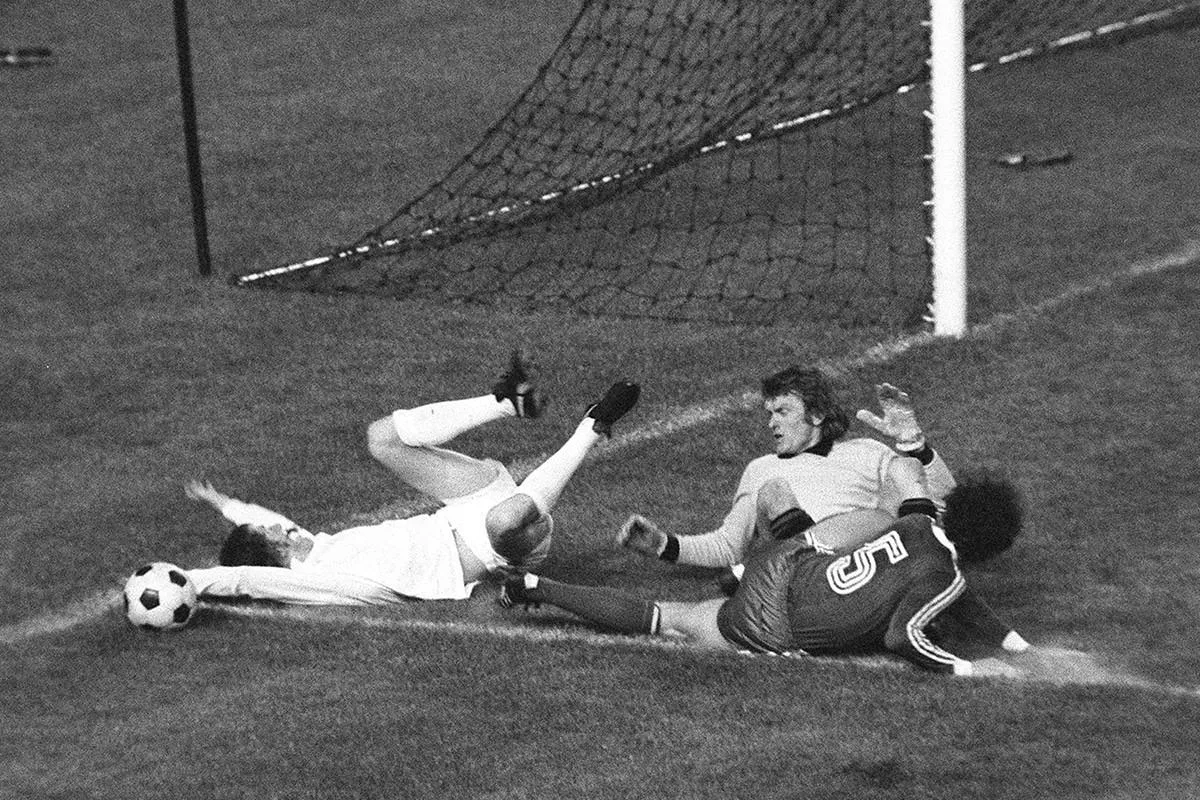
Paris 1975: The European Cup final that still hurts
Leeds United reached their first European Cup final in 1975, only to lose 2–0 to Bayern Munich in a match that left lasting anger over refereeing decisions. The scoreline was clear; the feeling of injustice, and the questions it raised, became part of Leeds folklore.
For Leeds United, the 1975 European Cup final was the greatest stage the club had ever reached and one of the most painful nights in its history. The match took place at the Parc des Princes in Paris on 28 May, with Bayern Munich seeking to retain the trophy and Leeds trying to turn a remarkable European campaign into the ultimate achievement. By the end, Bayern had won 2–0. What happened in between, and how the result was reached, would be argued about for generations.
Leeds had come through a difficult season. Don Revie had left for the England job, Brian Clough's 44-day spell had unsettled the club, and Jimmy Armfield had inherited a squad still capable of challenging Europe. Leeds eliminated Barcelona in the semi-finals, drawing 1–1 at the Nou Camp after winning the first leg 2–1. That result gave them belief that the European Cup could be theirs, even if Bayern were an experienced side with players of immense quality, including Franz Beckenbauer, Sepp Maier and Gerd Müller.
Leeds began strongly and created chances. Bayern goalkeeper Maier was required to make important saves, including a close-range stop from Billy Bremner. Leeds also appealed for a penalty when the ball struck Beckenbauer's arm, and later for a foul on Allan Clarke. Both claims were rejected. The decisions fed the growing sense among Leeds players that the match was not being officiated evenly.
The most famous incident came just after the hour. Peter Lorimer struck the ball into the net and initially appeared to have put Leeds ahead. Referee Michel Kitabdjian first indicated the goal should stand, but after consulting the linesman he ruled it out for offside against Bremner, who was positioned in front of the goalkeeper. The decision was devastating in the moment. It was also more nuanced than legend sometimes allows: later television analysis has indicated that Leeds players were in offside positions, and under the rules of the period the goal could legitimately be disallowed. The controversy was not invented, but neither is it accurate to treat that single decision as proof that the final was fixed.
The match then swung away from Leeds. Bayern scored through Franz Roth in the 71st minute and Gerd Müller ten minutes later. Two goals in a short spell ended Leeds' hopes of recovering the final. The scoreline showed Bayern as winners, but it did not capture the frustration of a team that had felt itself within touching distance of the lead and then watched the match disappear.
The atmosphere after the disallowed goal deteriorated, and disturbances by sections of Leeds support led to UEFA imposing a four-year ban from European competition, later reduced on appeal to two years. The punishment added another grim chapter to an already bitter night. For Leeds, the final was not just a lost opportunity; it also led to immediate consequences for the club's supporters and future European prospects.
A responsible retelling has to hold two truths at once. Leeds had legitimate reasons to feel aggrieved by the accumulation of decisions, and the disallowed goal became an enduring symbol of the final. But the record does not justify claiming that the result was proved corrupt. Bayern were a powerful European team, the two goals were scored, and the trophy went to Munich. History becomes more convincing, not less, when it acknowledges the complexity.
The defeat took place just nine years after Leeds' rise from the Second Division had begun to gather pace, and after a decade in which Revie had transformed the club into a major domestic and European force. The European Cup would have been the crowning achievement. Instead, Leeds were left with the knowledge that they had reached the summit and returned without the prize.
That is why Paris still hurts. It is about the trophy that was within reach, the goal that seemed to change the match, the anger that followed and the sense that this team had given everything without receiving the reward. The final has become part of Leeds' emotional inheritance, told again each time the club returns to the story of its greatest sides.
Leeds United have won three English top-flight titles, two Fairs Cups, the League Cup and the FA Cup. They have reached the European Cup final only once. Paris was the night that opportunity arrived, and the night it slipped away. The story matters because it is both a football result and a reminder that sporting memory rarely ends when the referee blows the final whistle.