
News
Hull City 1–4 Leeds United, 28 April 1956: Return to the Big Time in East Yorkshire
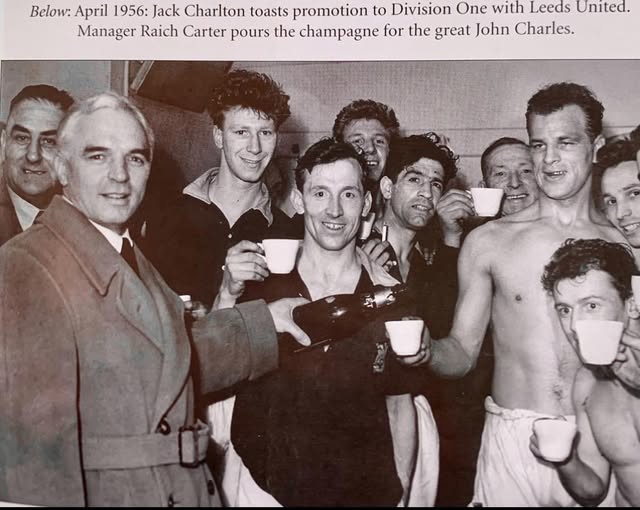
Backed by 15,000 travelling supporters, Raich Carter's Leeds United secured promotion back to the First Division with a dominant 4–1 win at Hull City in April 1956.
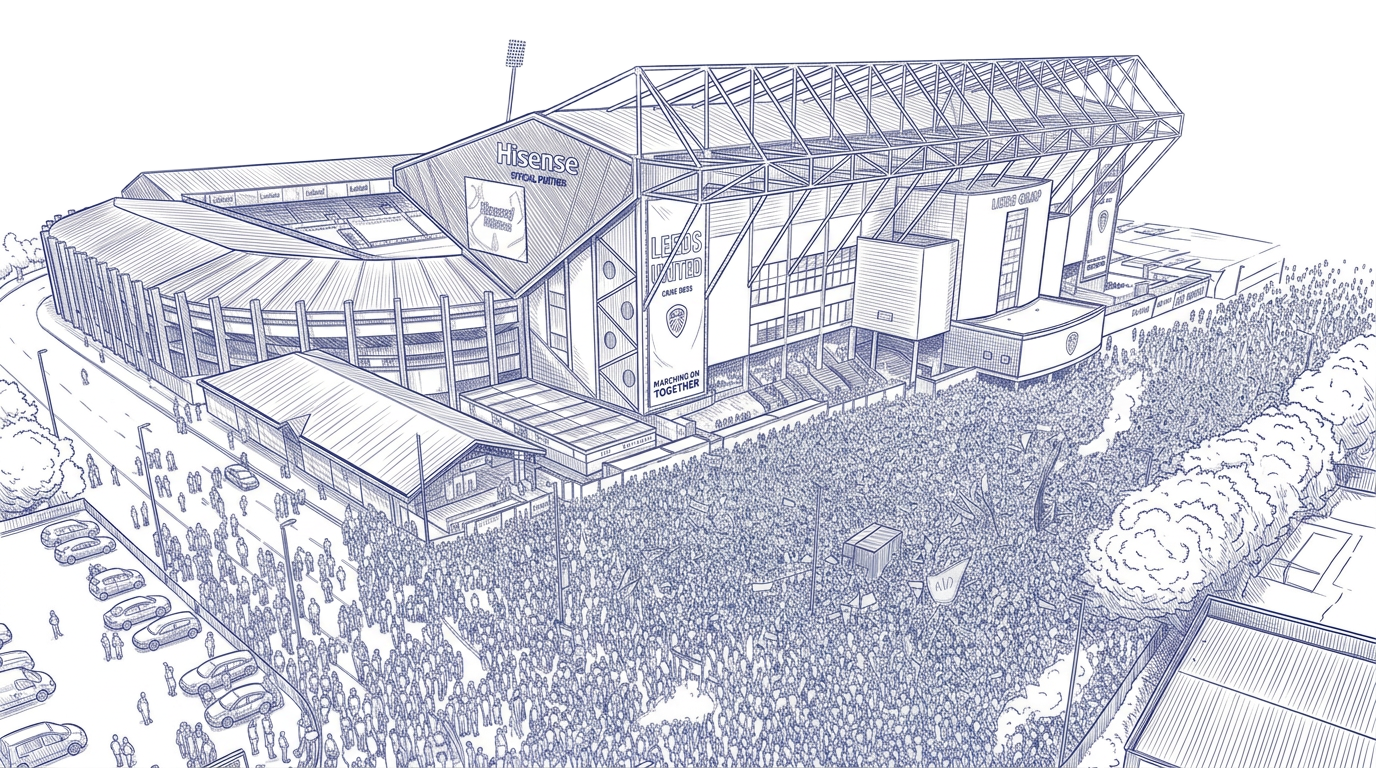
Return to the Big Time in East Yorkshire
The culmination of Raich Carter's vision
By April 1956, the city of Leeds was gripped by football fever. Under the astute guidance of player-manager Raich Carter—a legendary World Cup hero who brought tactical sharpness and attacking freedom—Leeds United were on the verge of ending an eight-year exile in the Second Division.
On Saturday 28 April 1956, Leeds travelled across Yorkshire to face Hull City at Boothferry Park for the final match of the campaign. An astonishing 15,000 Leeds supporters made the journey, turning the stadium into a corner of West Yorkshire. They needed a result to make mathematically certain what their football had promised all season: a return to the top flight.
A commanding display under pressure
Promotion matches are notoriously tense affairs, fraught with anxiety and caution. But Carter's Leeds refused to play with fear. They attacked with fluency and purpose from the first whistle, overwhelming the Hull defence with pace and precision.
John Charles was, as ever, a towering influence, anchoring the side while spearheading attacking transitions, and he got on the scoresheet himself from the penalty spot. Harold Brook struck twice as Leeds seized total control of the match. The travelling horde in the stands roared every pass and celebrated every goal long before the final whistle. When the referee confirmed the 4–1 scoreline, bedlam erupted. Fans spilled onto the pitch, hoisting players onto their shoulders in scenes of unfiltered joy.
Why this match mattered
The 4–1 win at Hull City was a massive watershed moment. It ended eight years of second-tier purgatory and validated the club's long-term faith in youth development and progressive management. More importantly, it re-established Leeds United among the elite of English football, providing the stage upon which John Charles would truly conquer the national game.