News
How many Leeds United players have won England caps while at the club?
Historical research identifies 29 players who won senior England caps while playing for Leeds United, with more than 260 England appearances between them during their Leeds spells.
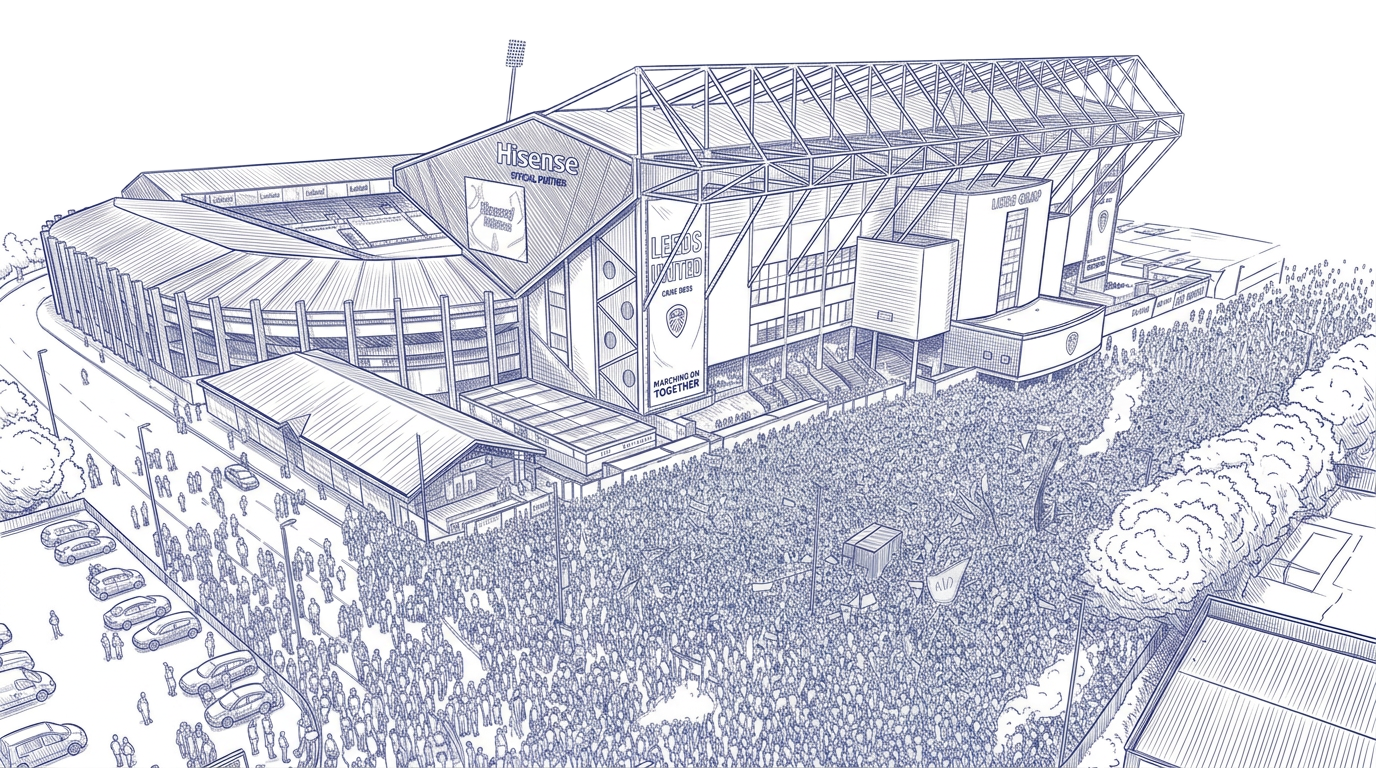

The answer: 29 players, with more than 260 caps while at Leeds
Historical club research identifies 29 Leeds United players who won senior England caps while playing for the club, earning more than 260 England caps during their Leeds spells. This is a different measure from counting everyone who ever represented England and later played for Leeds. The question is specifically about international appearances earned while the player was a Leeds footballer.
That timing matters. Some players arrived at Elland Road as established internationals, others earned their first call-up after breaking into the Leeds side, and several continued to represent England after leaving the club. Counting all their career caps would answer a different question and inflate the number attributable to their Leeds years.
The total also tells a longer story about the club's place in English football. Leeds have produced England internationals in different generations, from the pre-war years to Revie's championship side, the Wilkinson era and the club's modern Premier League return. The distribution is not even. The Revie team, which was regularly challenging for major honours, supplied a particularly notable group of internationals.
The early internationals
The historical research identifies Willis Edwards, who won an England cap in 1926, and Ernie Hart, capped in 1928, among Leeds' earliest senior internationals. Their appearances belong to a very different era of international football, when England selection was more closely associated with the domestic game and fewer competitive fixtures were played each year.
These early milestones are worth highlighting because they place Leeds' international story long before the televised golden years of the 1960s and 1970s. The club had not yet become the force it would under Don Revie, but players representing Leeds were already reaching the national side. The archive can use those names to connect early player histories, season records and the evolution of the club's stature in English football.
Revie's Leeds and the England connection
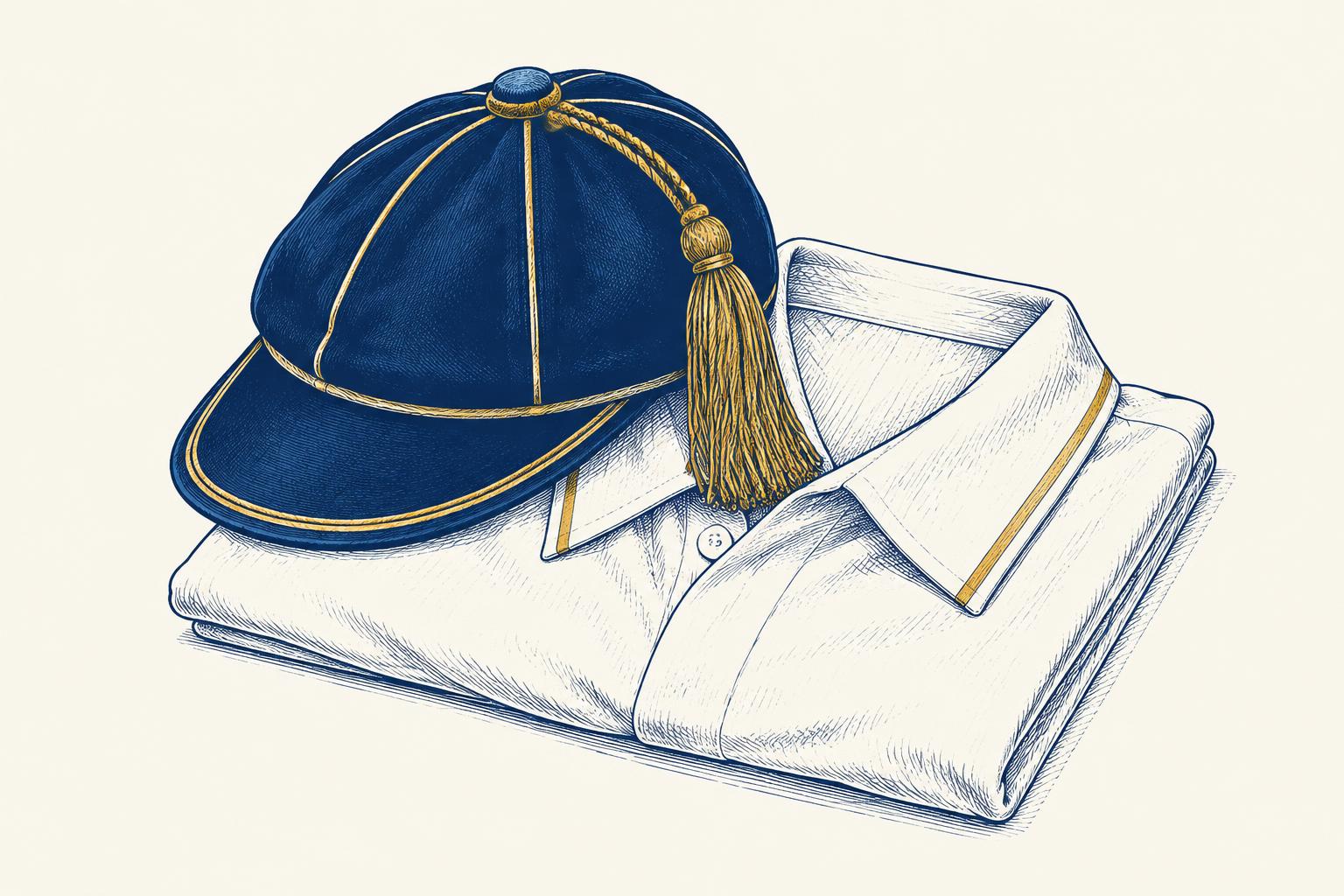
The strongest cluster identified in the dossier came from the Revie era. Jack Charlton won 35 England caps while a Leeds player and was part of England's 1966 World Cup-winning squad. Norman Hunter earned 28 caps, Trevor Cherry 27 and Paul Madeley 24. Allan Clarke and Terry Cooper each earned 19, while Paul Reaney and Mick Jones each won three.
The figures reveal how deeply Revie's team was woven into the national game's leading level. Leeds were not simply a successful club with a few internationals; several core players were trusted by England while performing for a side that demanded a great deal of them week after week. Charlton's international career reached its peak with the 1966 World Cup, before Leeds became dominant in the First Division. Hunter and Madeley later formed part of the club's footballing identity and helped establish Leeds as one of the strongest sides in England.
The international record also reminds us that national selection is not a perfect ranking of club ability. Some excellent Leeds players won few or no England caps, in part because competition for places was fierce, the selection system changed across eras, and players sometimes faced positional rivals who were already established. Caps are a meaningful honour, but their absence does not diminish the contribution of players who were central to Leeds' success.
The 1990s and the modern revival

The dossier identifies David Batty, Tony Dorigo, Nigel Martyn, Rio Ferdinand, Danny Mills, Alan Smith, Paul Robinson and Lee Bowyer among the Leeds players associated with England during the 1990s and David O'Leary era. Their careers belong to a period when Leeds re-established themselves in the top flight, qualified for Europe and developed a talented group of players who attracted attention beyond Elland Road.
Some of those players earned caps during their Leeds tenure, while others' international careers extended beyond it. For this article, the important distinction is the timing of each cap. A reliable record needs to link the date of an England appearance with the player's Leeds registration or playing spell. It should not count a cap earned after a transfer as a cap won while at Leeds.
Kalvin Phillips provides the most prominent modern example in the dossier. He earned 19 England caps while at Leeds between 2020 and 2022, became a key figure for England at Euro 2020 and was named England Men's Player of the Year in 2021. His emergence was particularly significant because he was Leeds' first England international in 16 years, connecting the club's return to the Premier League with a new period of national recognition.
Phillips' story is also a reminder that the cap total can tell a story about a club's development. Leeds had spent years outside the Premier League, and the international gap reflected the smaller number of players competing at England's highest level. Bielsa's team brought Leeds back into the national spotlight; Phillips' performances turned that attention into international selection.
Why 29 is more than a number
An England cap is one of the clearest individual markers of recognition in English football. It indicates that a player has been selected from the wider professional game to represent the country. But when that cap is earned while playing for Leeds, it also becomes part of the club's history. The player is representing England while wearing the white shirt at club level, often balancing the physical and mental demands of both roles.
The more than 260 caps identified in the research are spread across different generations. Jack Charlton's World Cup-winning place gives the list a direct connection to the national team's greatest triumph. The Revie-era group illustrates the club's peak domestic standing. The O'Leary-era names belong to the European revival of the late 1990s and early 2000s. Phillips provides a modern endpoint, when Leeds returned to the Premier League and one of their own became a central England midfielder.
There are caveats. International records and club registration dates must be reconciled carefully, particularly for transfers made during international windows or players whose England careers overlapped more than one club. The supplied dossier provides the total and prominent examples, but not a full player-by-player table for all 29. The article should therefore present the number as the result of historical research and treat the named players as key examples, not imply the list below is exhaustive.
A record to connect with the player archive
This is an ideal feature for linking international history back into the Leeds data. A player's profile could show England caps won while at Leeds separately from total England caps, with dates and match references where available. The season archive could reveal which Leeds campaigns produced the most internationals, and the manager archive could show how many international players were selected during each tenure.
The current database tracks nationality and Leeds career statistics but does not have a complete international-caps table. That makes this a worthwhile editorial extension, but not a number that should be presented as if it is already generated directly from every player page. A future structured England appearance table would allow the site to keep the figure current and auditable.
The Numbers Behind verdict
Historical research identifies 29 Leeds United players who won senior England caps while at the club, earning more than 260 caps during their Leeds spells. Jack Charlton, Norman Hunter, Trevor Cherry and Paul Madeley are among the important Revie-era examples; Kalvin Phillips is the standout modern example in the supplied research.