
News
Elland Road Guide: Capacity, Seating Plan, Away End & New Expansion
Planning a visit to Elland Road? Find the current 37,645 capacity, stand names, away section location, official seating-plan links and the latest details of the expansion towards 53,000.
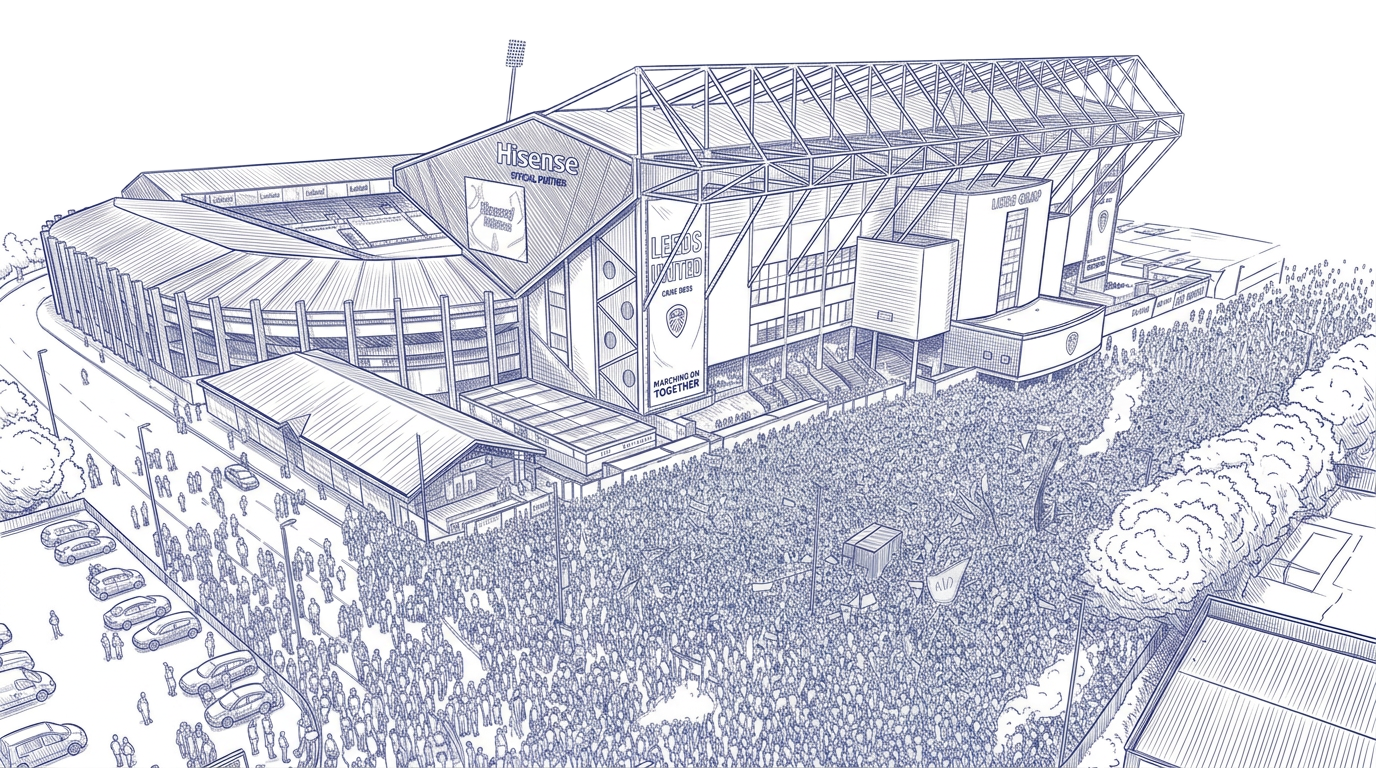
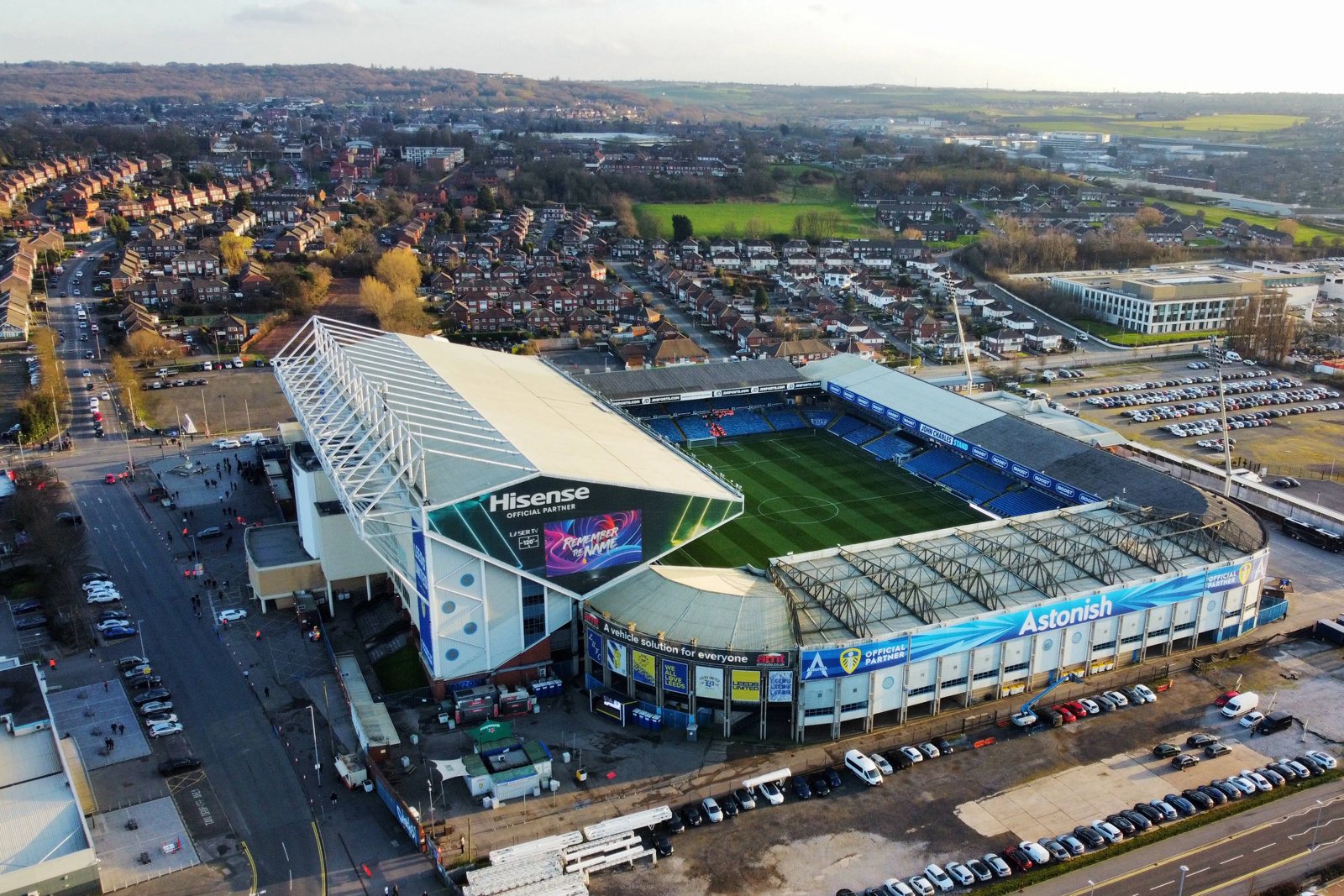
Elland Road’s published capacity is 37,645, with a major redevelopment under way that is intended to take the ground to around 53,000. Here is how the four stands are arranged, where visiting supporters sit, what the seating plan shows, and what the expansion means for matchdays.
Elland Road has been Leeds United’s home since 1919 and remains one of English football’s most recognisable grounds. Its current published capacity is 37,645 seats. The club’s approved redevelopment is designed to take that figure to approximately 53,000, with the West and North stands central to the project and upgrades intended to improve facilities as well as capacity.
That is the short answer for anyone searching “Elland Road capacity”. The more useful guide is to understand the shape of the ground, which stand is which, where away supporters sit, how to check your seat and what is happening while the redevelopment progresses. Capacities can be quoted differently by older stadium guides or ticketing pages, so for planning a current visit use the club’s own matchday information and ticket map.
Elland Road at a glance
| Question | Answer |
|---|---|
| Current published capacity | 37,645 seats |
| Redevelopment target | Approximately 53,000 |
| Home of Leeds United since | 1919 |
| Away supporters | South end of the John Charles West Stand; allocation can affect the exact area |
| Approved expansion works began | June 2026 |
| Official seating plan | Leeds United’s matchday and turnstiles pages, plus the interactive 3D map |
The expansion is not simply a project to fit more people through the turnstiles. Leeds United have framed it as a long-term transformation of the stadium, including modernising the West Stand, developing the North Stand and improving general admission and hospitality facilities. The club has cited the size of its season-ticket waiting list as part of the case for increasing capacity.
The four stands at Elland Road
Elland Road’s stands have names that reflect the club’s history. The names are useful to know because they appear on tickets, maps and matchday signage. The diagram below is a simple orientation guide, not a scale drawing or a substitute for the seat-specific interactive map.
| Position | Stand |
|---|---|
| North | Don Revie Stand |
| East | Jack Charlton Stand |
| South | Norman Hunter Stand |
| West | John Charles Stand (away section at its south end) |
Use the official 3D seating map for a seat-specific view.
North Stand: The Don Revie Stand
The North Stand is named after Don Revie, the manager who transformed Leeds from a struggling Second Division club into one of the strongest teams in England and Europe. It is often associated with the Kop end and is one of the ground’s most atmospheric areas. Parts of the North Stand have rail seating, and the crowd can be particularly vocal. With the expansion plans, the North Stand is also part of the longer-term capacity project.
East Stand: The Jack Charlton Stand
The East Stand honours Jack Charlton, the central defender whose name is inseparable from the Revie era. It provides a large side-on view of the pitch and is an important part of the stadium’s overall scale. The club notes that sections of the East upper tier are steep, and visitors who need step-free routes or have particular accessibility requirements should check the official arrangements before booking.
South Stand: The Norman Hunter Stand
The South Stand is named after Norman Hunter, another defining figure from the great Revie teams. The end behind the goal is a home-supporter area; away fans are not generally placed behind this goal. As with all areas, the precise crowd experience depends on the fixture, ticket category and location within the stand.
West Stand: The John Charles Stand
The West Stand is named after John Charles, the legendary Welsh forward and defender who represented Leeds in the 1950s. It contains hospitality and other matchday facilities, and it is the stand at the heart of the first phase of the redevelopment. The club’s plan is to build the new West Stand over the existing structure, allowing Elland Road to remain in use during the works. Visiting supporters are located at its southern end.
Where is the away end at Elland Road?
Away supporters are situated at the south end of the John Charles West Stand. The exact allocation can vary by fixture, so visitors should follow the instructions on their ticket and the club’s away-ticket guidance. Official guidance identifies away turnstiles at Entrances 1 and 2 and/or the Howards Bar entrance depending on the allocation.
If you are visiting Elland Road for the first time, do not rely solely on an old fan map or a photo from a previous season. Stadium works, allocation arrangements and stewarding routes can change. Check the club’s matchday guide on the day of the fixture, allow time to reach the correct entrance and have the ticket ready before joining the queue.
The club advises supporters to arrive in good time. Turnstiles ordinarily open 90 minutes before kick-off, and re-entry is not permitted once you have left. Bags larger than A4 are not allowed under the published matchday rules, so check the latest policy before travelling. Accessibility and family requirements are best checked directly with the club rather than inferred from a general stadium diagram.
How to read the Elland Road seating plan
For seat selection, start with the interactive 3D map rather than a static sketch. It lets supporters orient themselves by stand and section and see the stadium in context. A seat in the lower tier, an upper corner and the halfway line can offer very different views even when the stand name is the same.
When reviewing a seating plan, check five things: which stand the ticket specifies; whether the seat is upper or lower tier; the nearest turnstile; whether there are stairs or other access considerations; and whether the ticket is in a home or away allocation. If you are buying for a family or an accessible visit, confirm the details with the club before purchase.
The ground’s geography also shapes its matchday atmosphere. The North and South ends have strong vocal traditions; the West Stand runs alongside the pitch and hosts the away section at its southern end; the East Stand gives a broad side view of the action. There is no universally “best” seat. Some supporters value proximity to the pitch; others want the elevated tactical view or a particular atmosphere.
The Elland Road expansion: from 37,645 to around 53,000
Leeds United’s published redevelopment vision aims to increase the stadium to approximately 53,000 seats. Planning permission was secured in January 2026, following a planning application that included detailed plans for the West Stand and an outline proposal for the North Stand. The club says the project will bring the West and North stands up to modern stadium standards while improving general admission and hospitality facilities.
Work officially began in June 2026 with changes to the West Stand, including removal of the banqueting suite. The new West Stand is intended to be constructed over the existing structure so that the stadium can continue to host matches during development. The club’s published updates indicated that the West Stand would remain open at full capacity during the 2026–27 season while the construction progresses; this is a schedule-sensitive detail and should be rechecked before publication or a matchday visit.
The expansion does not mean capacity jumps to 53,000 overnight. It is a phased construction project and the final capacity will depend on the completed work and operational certification. For current fixtures, use the capacity the club publishes for the active stadium configuration, not the future target. If you are writing for search, keep the page updated when the club issues construction milestones, changes to access or revised timelines.
Will the expansion change the away section?
The club’s stated plan is to keep visiting supporters in the West Stand, at its southern end. That provides continuity for away fans, although individual match arrangements may vary. Supporters should always use the allocation, seating details and entrance specified by the club for their particular fixture.
Getting to Elland Road and preparing for matchday
Elland Road is in the south of Leeds, close to the M621. On busy matchdays, road traffic and parking restrictions around the ground can make arrival by car slower than expected. Check the club’s travel advice and local transport information before setting off. If you are travelling from outside Leeds, leave a margin for the walk from public transport or parking, stadium entry queues and the time needed to find your seat.
The matchday guide is the best source for current ground-entry rules, turnstiles, bag restrictions, accessibility, food and drink, and facilities. This article explains the stadium layout and expansion plans; it should not replace the latest club guidance for a particular fixture.
Elland Road is being changed, not replaced
A capacity of approximately 53,000 would make Elland Road a substantially larger ground, but the club’s stated aim is to preserve the ground’s identity while improving its facilities. The challenge is not merely adding seats. It is maintaining a venue in which supporters feel connected to the pitch, keeping the atmosphere that has made Elland Road intimidating for visiting teams, and improving the experience for a growing audience.
For Leeds supporters, the names of the stands are more than directions. Revie, Charlton, Hunter and Charles represent different chapters of the club’s history. They are reminders that a stadium is built out of concrete and steel, but its meaning comes from the people and teams that have occupied it. As construction progresses, Elland Road is being prepared for its next generation without losing its place in Leeds United’s story.
Sources
Official Elland Road redevelopment page · Official matchday guide · Official turnstiles map · Planning application update · Expansion officially begins · West Stand update July 2026 · Interactive 3D map