News
Inter-Cities Fairs Cup Winners, 1968: Leeds United Beat Ferencváros
Leeds United won their first European trophy in 1968, beating Hungarian giants Ferencváros 1-0 on aggregate in the Inter-Cities Fairs Cup final. Mick Jones scored the decisive goal at Elland Road before Don Revie's side held firm in Budapest.
Leeds United's first European trophy
The 1968 Inter-Cities Fairs Cup victory was a landmark moment in Leeds United history. After years of building under manager Don Revie, Leeds finally lifted a major European trophy, defeating Hungarian club Ferencváros 1-0 on aggregate in a tense two-legged final.
The victory came just one year after Leeds had reached their first European final but lost 2-0 on aggregate to Dinamo Zagreb. The disappointment of that defeat had remained with Revie's players, and the return to the Fairs Cup final in 1968 gave Leeds the opportunity to put that disappointment right. They did exactly that.
The triumph made Leeds United the first British club to win the Inter-Cities Fairs Cup, adding a European trophy to the League Cup they had won earlier in 1968.
The road to the final
Leeds had qualified for the 1967-68 Inter-Cities Fairs Cup after finishing fourth in the First Division during the previous season. Their European campaign began spectacularly against Spora Luxembourg. Leeds won the first leg 9-0 away from home and then completed a remarkable 16-0 aggregate victory with a 7-0 win at Elland Road.
The second round brought a much tougher test against Partizan Belgrade. Leeds won 2-1 in Yugoslavia before drawing 1-1 at home to progress 3-2 on aggregate. Next came Scottish opposition in the shape of Hibernian. Leeds won 1-0 at Elland Road and drew 1-1 in Edinburgh.
The quarter-final was another major European test: Rangers. Leeds survived a 0-0 draw at Ibrox before winning 2-0 at Elland Road through goals from Johnny Giles and Peter Lorimer. In the semi-final, Leeds faced another Scottish club, Dundee. A 1-1 draw in Scotland was followed by a 1-0 victory at Elland Road, with Eddie Gray scoring the decisive goal.
Leeds were back in the European final. This time, they would face Ferencváros of Hungary.
Leeds United 1-0 Ferencváros at Elland Road
The first leg was played at Elland Road on 7 August 1968. Ferencváros were no ordinary opponents. The Hungarian club had already won the Inter-Cities Fairs Cup in 1965 and possessed considerable European experience. Leeds therefore knew that a strong home performance was essential.
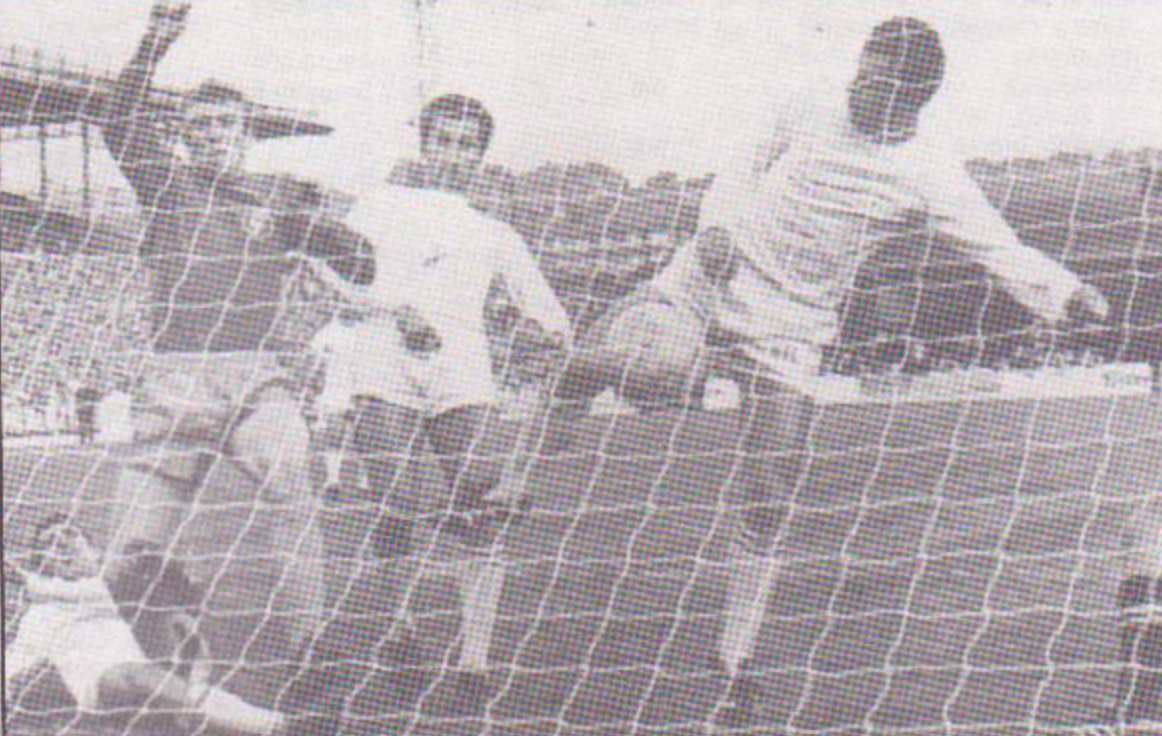
The match was closely contested, but Leeds eventually found the breakthrough shortly before half-time. In the 41st minute, Mick Jones scored the only goal of the game.
That 1-0 victory gave Leeds the narrowest possible advantage going into the second leg in Budapest. The final's first-leg Leeds team included Gary Sprake, Paul Reaney, Terry Cooper, Billy Bremner, Jack Charlton, Norman Hunter, Peter Lorimer, Paul Madeley, Mick Jones, Johnny Giles and Eddie Gray, with Don Revie in charge.
For Jones, the goal was particularly significant. He had joined Leeds from Sheffield United in September 1967 and would become one of the most important forwards of the great Revie era.
A tense night in Budapest
The second leg took place on 11 September 1968 at the Népstadion in Budapest, in front of a huge crowd. Ferencváros needed to overturn the 1-0 deficit, while Leeds knew that another clean sheet would deliver European silverware.
It was an intensely defensive contest. Ferencváros attacked, but Leeds refused to concede. The final whistle eventually confirmed a 0-0 draw, meaning Leeds had won the final 1-0 on aggregate.
After the disappointment of losing the 1967 final to Dinamo Zagreb, Leeds had finally conquered Europe.
The men behind Leeds' first European triumph
The 1968 Fairs Cup victory belonged to one of the most important groups of players in Leeds United history. Don Revie had transformed the club since taking over as manager in 1961. His emphasis on fitness, organisation, youth development and tactical preparation was producing a team capable of competing successfully both domestically and in Europe.
Billy Bremner was the inspirational captain and driving force of the side. Johnny Giles provided intelligence and control in midfield, while Norman Hunter, Jack Charlton, Paul Reaney and Terry Cooper formed part of an outstanding defensive unit.
Peter Lorimer supplied pace and one of the most powerful shots in English football. Eddie Gray represented the extraordinary natural talent emerging from Revie's youth policy. Up front, Mick Jones supplied the goal that ultimately separated Leeds from Ferencváros. The team also included Paul Madeley, who would become one of the most versatile and important footballers in Leeds United history.
The highs and lows of the European campaign
The 1967-68 Fairs Cup campaign contained some extraordinary highs. Leeds scored 16 goals against Spora Luxembourg, defeated Partizan Belgrade, eliminated Hibernian and Rangers, and then overcame Dundee to reach the final.
But there was also the memory of the previous year's European final defeat. In 1967, Leeds had reached their first European final but lost 2-0 on aggregate to Dinamo Zagreb. The second leg at Elland Road finished 0-0, leaving Leeds unable to overturn the deficit from Zagreb.
The 1968 victory therefore represented both a breakthrough and a form of redemption. Leeds had returned to the same competition and gone one step further.
Part of a remarkable 1967-68 season
The Fairs Cup was not Leeds United's only major achievement in 1967-68. The club also won the League Cup, defeating Arsenal 1-0 at Wembley through a Terry Cooper goal. Leeds had therefore secured their first major domestic trophy and their first European trophy in the same season.
The season could have been even more remarkable. Leeds had challenged for the First Division title for much of the campaign before eventually finishing fourth. They also reached the FA Cup semi-finals. The club had become a genuine force in English and European football.
The beginning of the great Revie era
The 1968 Inter-Cities Fairs Cup was much more than a single European trophy. It was evidence that Don Revie's Leeds United could compete with major clubs beyond England.
The following season, Leeds would go one step further domestically and win the 1968-69 First Division title, losing only two league matches. Revie's team had developed into one of the strongest sides in English football.
The Fairs Cup would also return to Leeds in 1971, when the club defeated Juventus on away goals after another dramatic two-legged final. But the first European triumph remains unique.
1968 was the year Leeds United first conquered Europe. Mick Jones' goal at Elland Road, the disciplined 0-0 draw in Budapest and the combined efforts of Revie's remarkable team delivered Leeds United their first European trophy — the beginning of one of the greatest periods in the club's history.